How To Pick Paint Colors

Hello everyone! In this new blog post, we are going to talk about the biggest catch-22 when it comes to home renovation: choosing colors for the different rooms. First of all, let’s talk about color terms! A hue pretty much is a fancier way of saying “color”. But hues can have different values, meaning that they can be lighter or darker, while belonging to the same color family. A synonym for this would be shades! For example, sage green and olive green are two different shades of the same color.
Then comes saturation. If you’ve ever edited a photo on an app, you have seen the saturation filter. It refers to how strong (or dominant) a hue is. Finally, intensity refers to the brilliance of colors. Pure colors are much more intense than combined colors, while usually having a stronger hue as well.
Here are the 7 tips to pick paint colors:
1) Look for inspiration
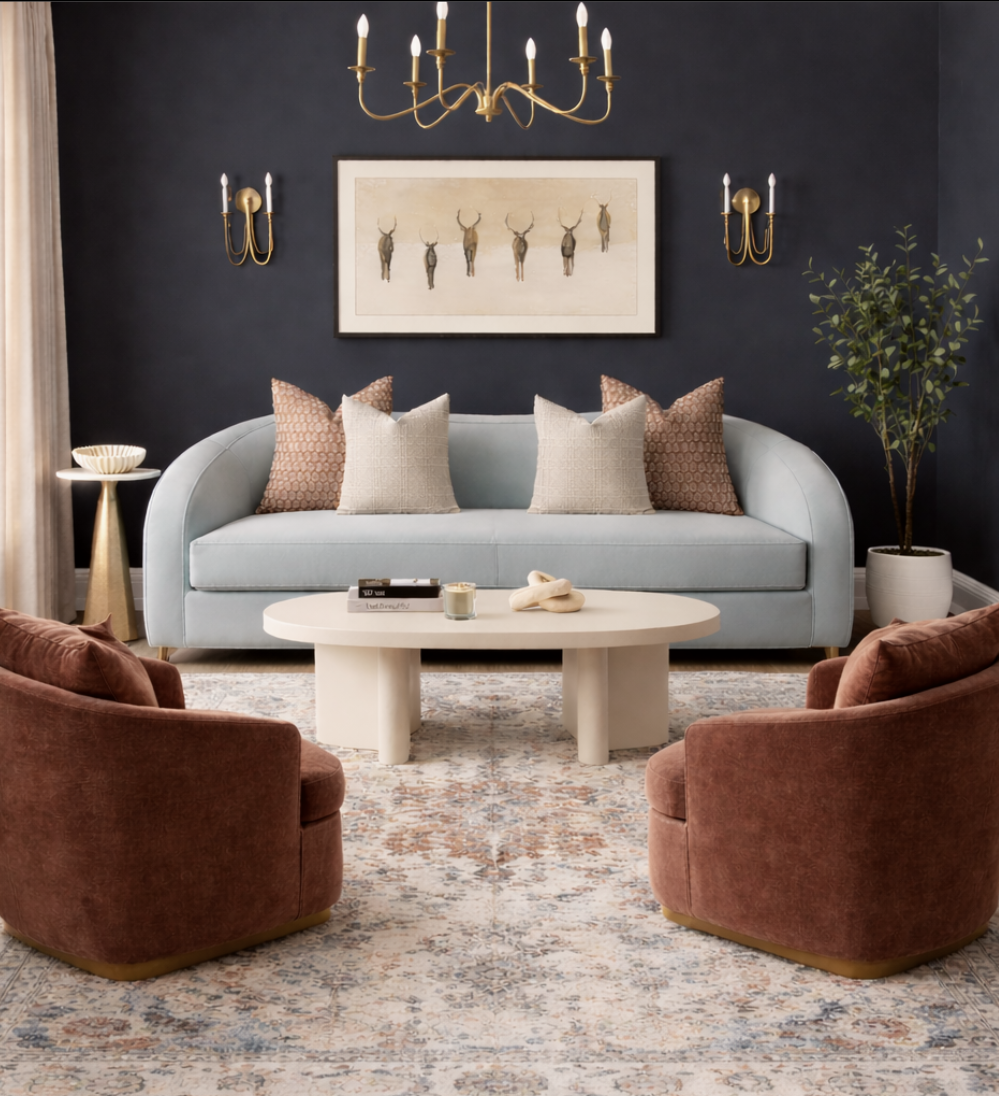
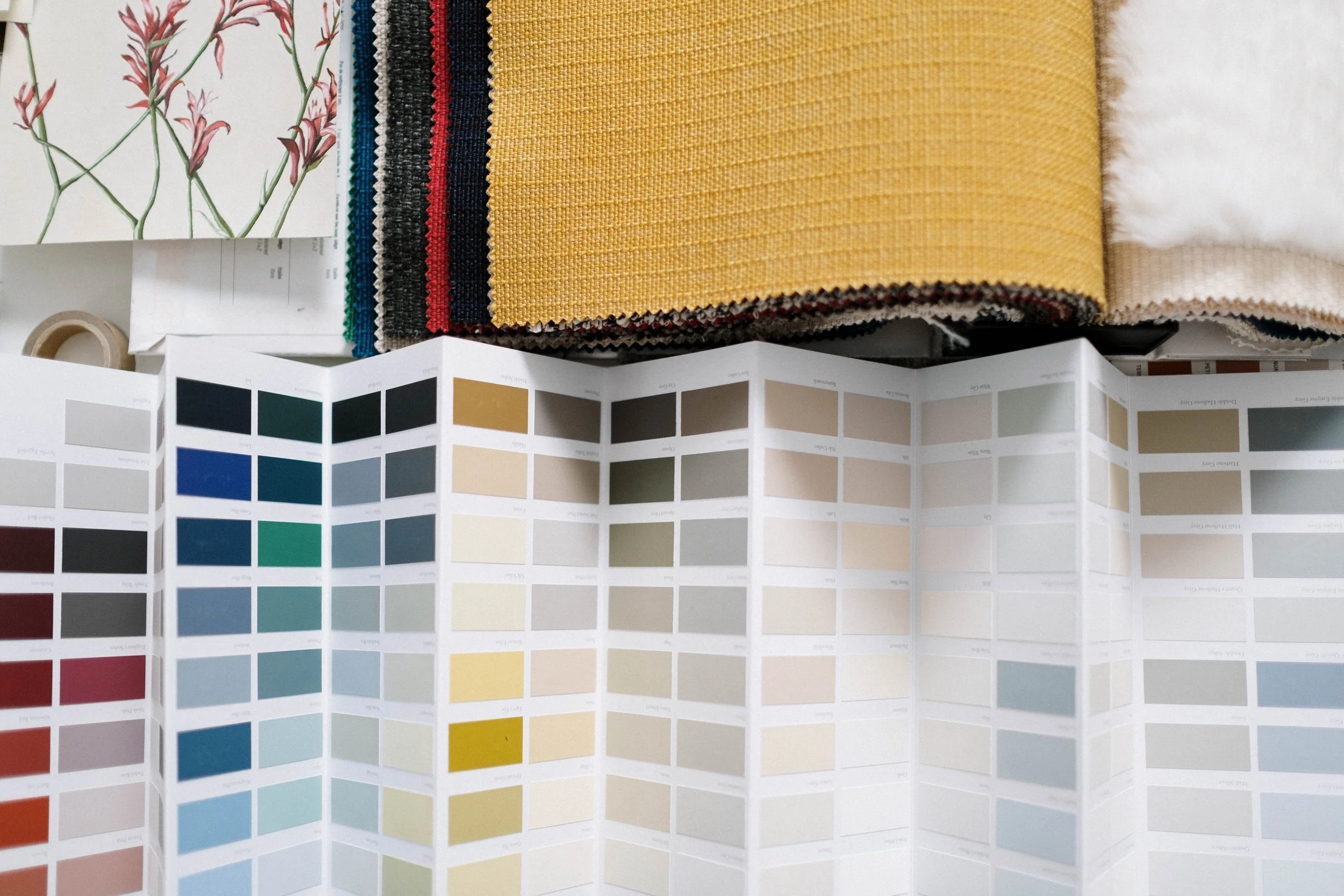
First of all, I would recommend that you look for pictures that either you like or are similar to what you have in mind for the room. It doesn’t have to be specifically related to decoration, it can also be an artwork piece that you like or that is painted with colors that resonate with you. You can even take a picture and run it through an online palette generator: this will help you find color ideas that match, but that doesn’t mean that they will be different shades of the same color.
If you are going for two colors, I would also recommend that you use color theory to find the best match. Don't stick to the first option you see! Play around with different combinations, not only hues but also saturation levels and shades, until you find one that feels right for you.
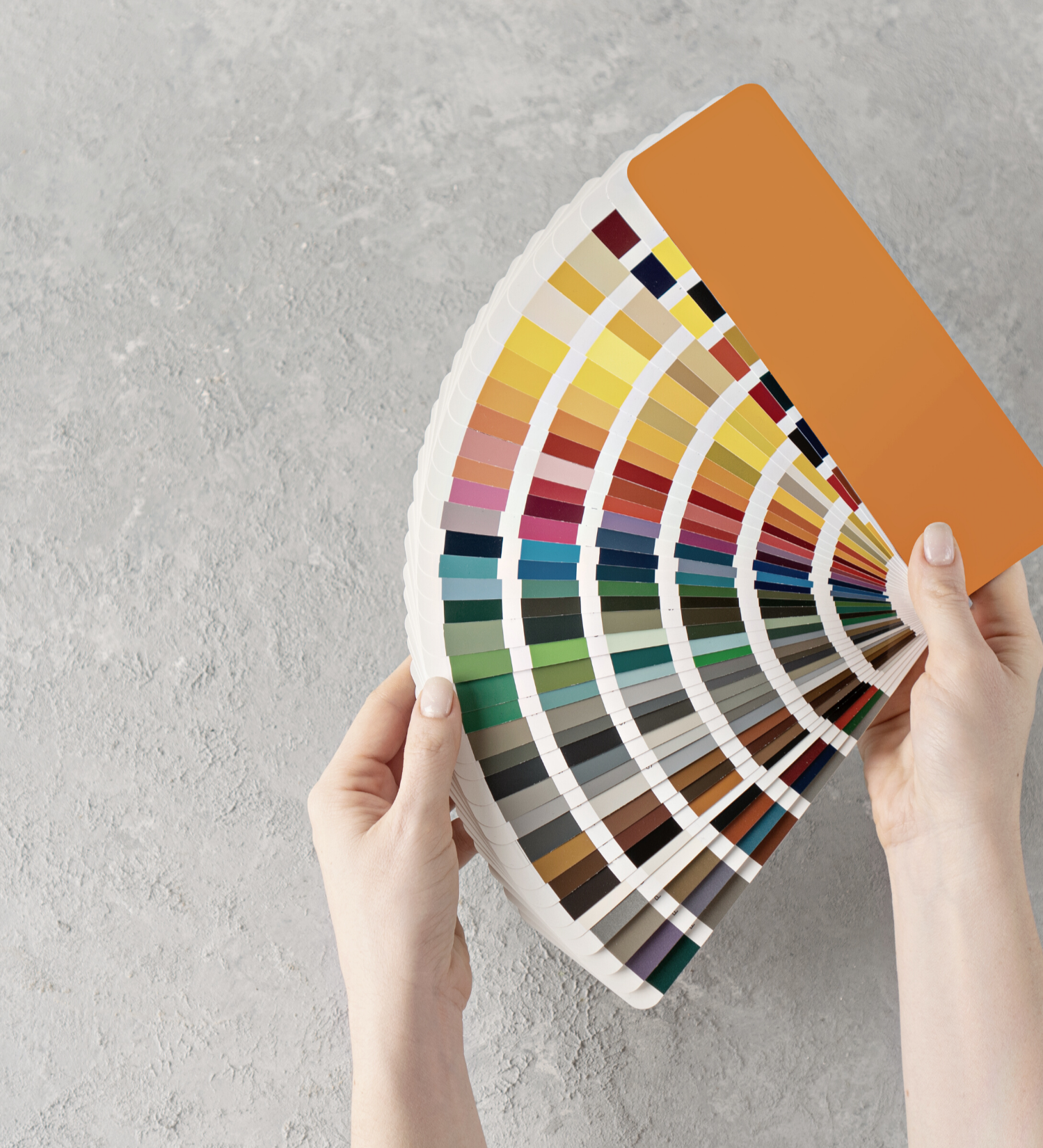
If you feel confused about color, put the sample next to a white wall. The contrast will help you figure out the true hue of it and how it matches the other sample.
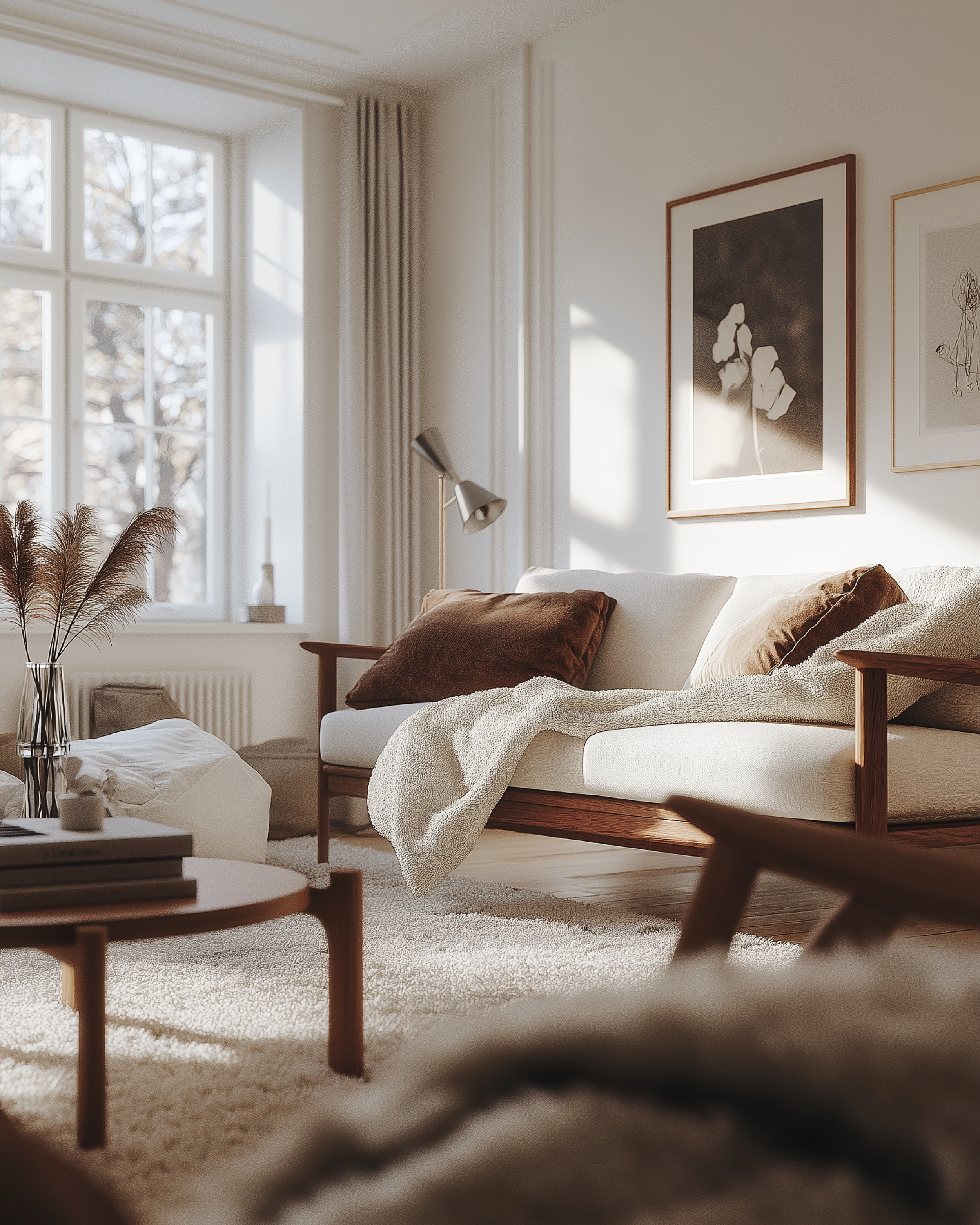
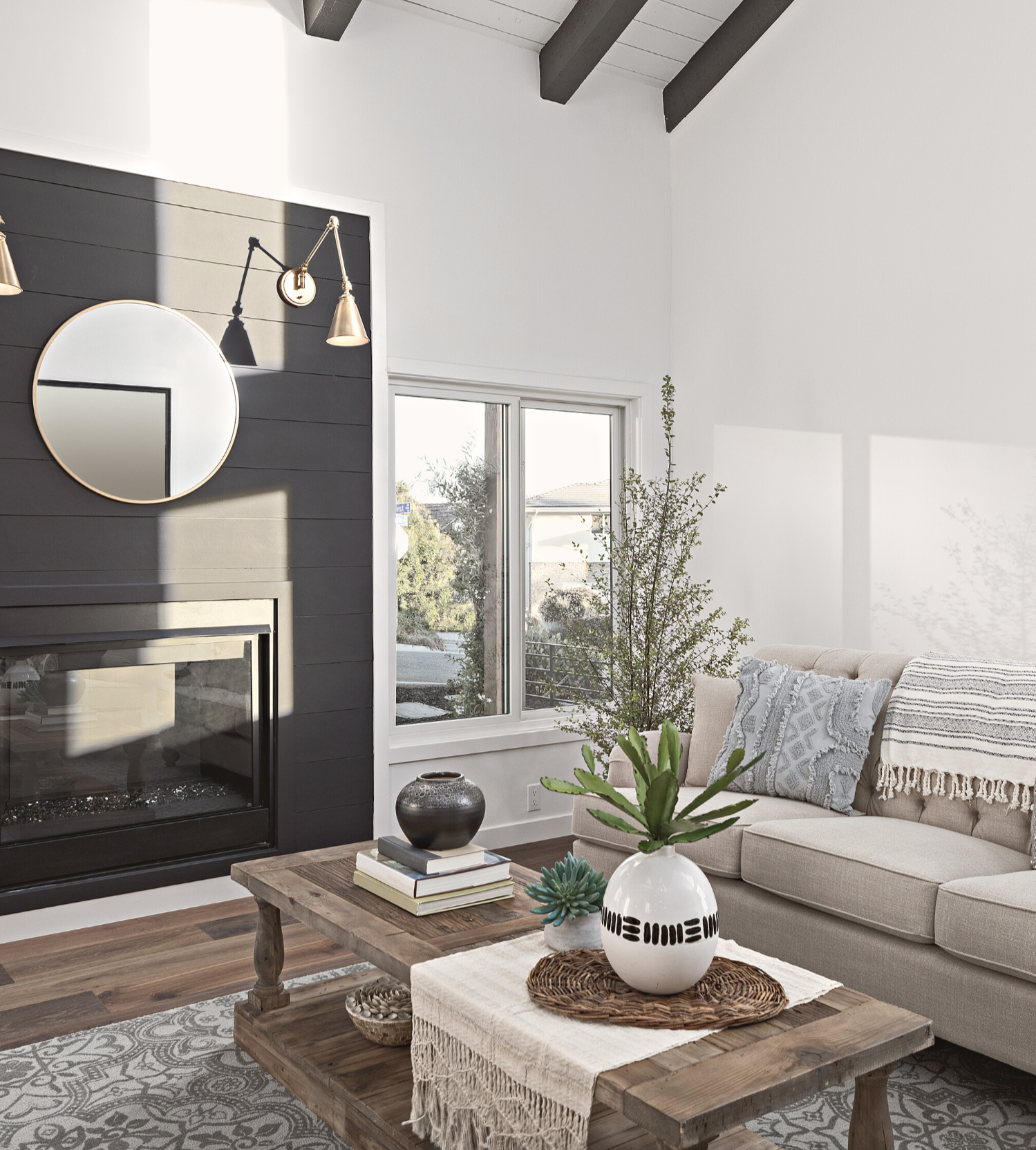
Keep in mind the ambiance of the room! Having natural or artificial light plays a huge role in picking the right color. While sunlight will bring out the truest version of a color, incandescent light will give off a sharp blue tone that will change the look of your wall.
2) Think about the mood of the room
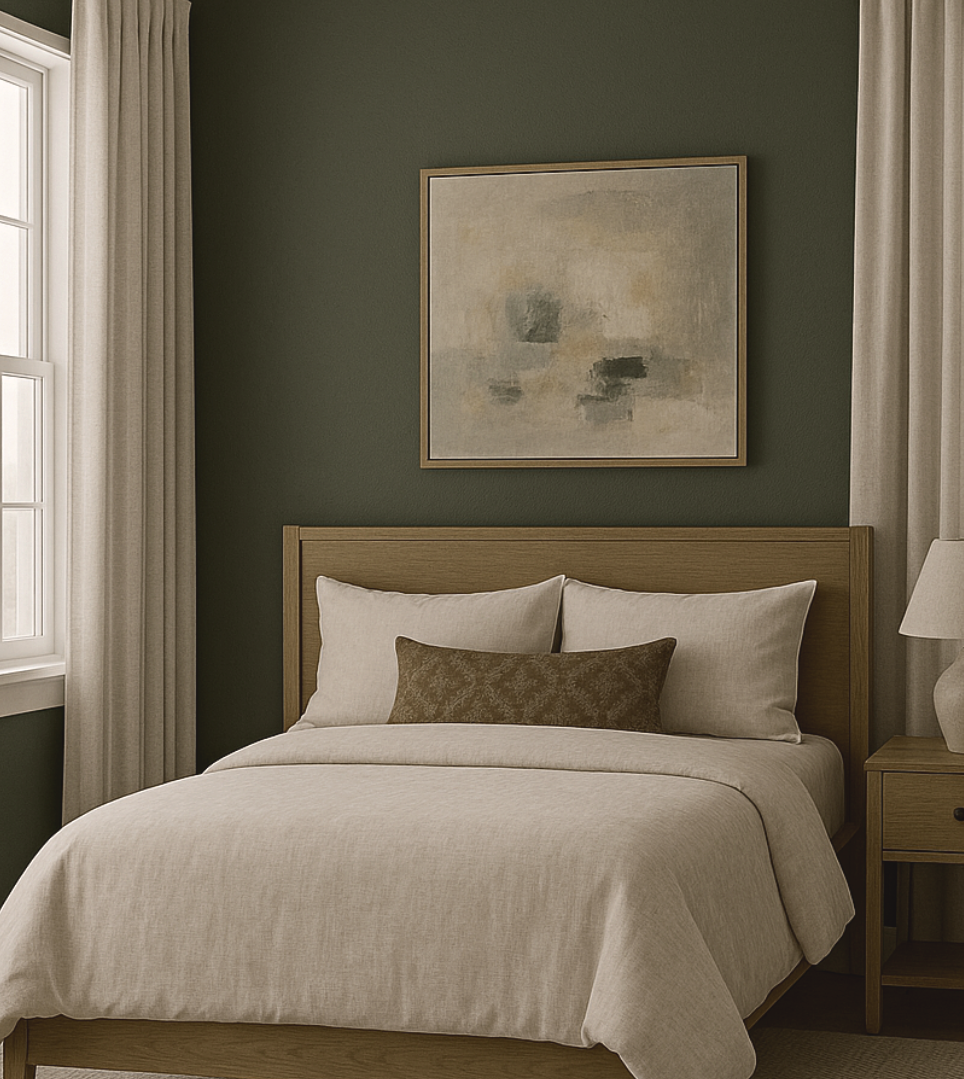
What will be the vibes of the room? Will it be relaxing? Will it be a creative space? Think about this when choosing the colors of the room. It is not the same as painting a bedroom red or bone white, since it will not have the same effect on your brain. Color psychology will be your best friend! It is highly used in different niches such as marketing, but you can also apply it to your everyday life. This theory states that different colors impact the way you feel and behave; as an example, it is generally believed that blue is a soothing color that stimulates a clear mind.
You should also think about whether you want to make the room look bigger (I would go for lighter colors in this case), or maybe make it feel cozier. Either way, the color you choose will have a great impact on this.

3) Learn your whites
While white might seem that it is always the same color, it has different shades. There are bright whites, off-whites, neutral whites, creamy whites… you name it. I recommend you bring samples home and try them out in the room during the day. This way you can see how it looks in different hours and choose your ideal paint.

4) The furniture
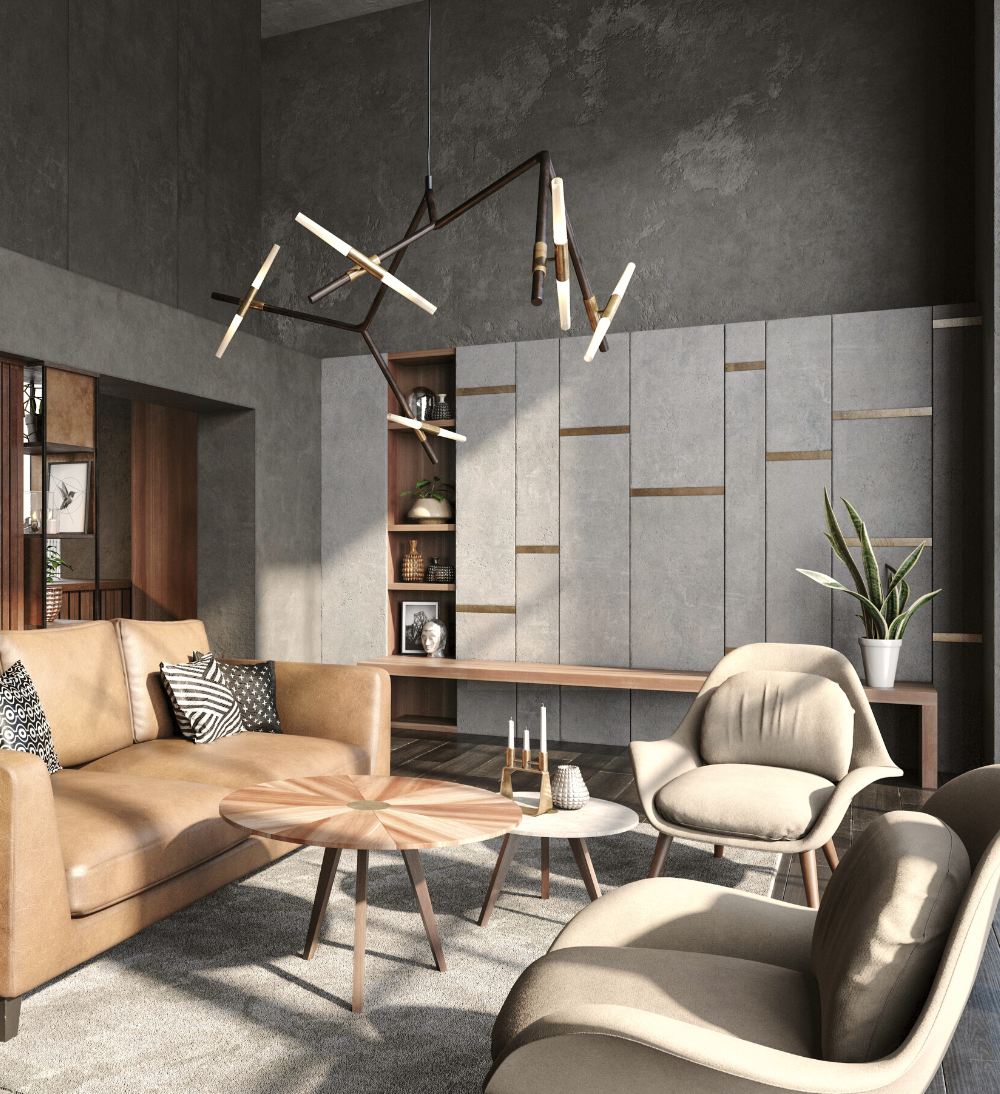
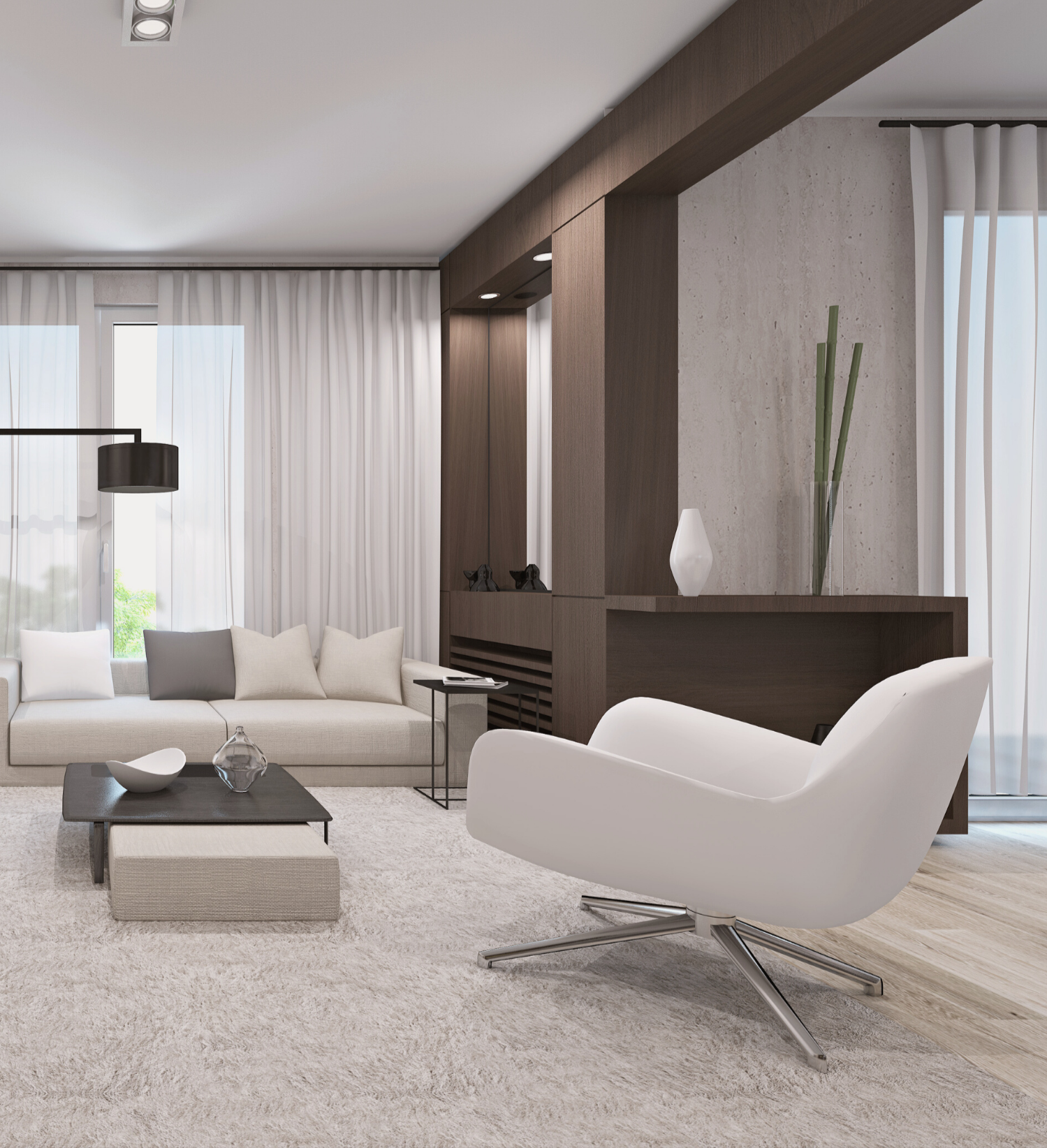
If you are painting your house, it is most likely that you already have furniture in it. Keep it in mind when choosing the color for that room: pay attention to the material, textures, and colors. This way, the space will feel more coordinated and be more pleasant to look at. Of course, do not forget to cover it so you do not spill paint on them!
5) Start small
If you are not fully sure about how it will look, you can always start small with a small wall or a stripe that is usually covered by furniture. This way you can test out the color without compromising an entire room.

6) On the details
Okay, so you’ve finally chosen your color, great! Now you can always add some details to up the look of the room. This does not only mean adding an accent wall, you can also add some special touches by painting the molding and doorways! This will help draw out the different rooms, mostly if you are using the same color for them.
Do not forget the primer! This will seal the wall and help the paint glide smoothly over it. This product also gives the paint a base to grab onto.

I hope this helps you figure out how to choose the new colors for your house, tag me in your renovation pictures on social media! And if you know someone who would find this useful, share this post with them.
I hope you have enjoyed it!
Talk to you soon,
keysi
Work with Keysi Hodge Interiors
Keysi Hodge Interiors is an interior design and decorating studio that offers Residential home furnishing, styling & Decor services. We specialize in Contemporary, Organic Modern, and Timeless design aesthetics.
Get started by telling us a little about your project HERE.