Interior Design Misconceptions That You Should Avoid

When it comes to designing a space, there are certain rules and principles that you need to follow in order to create an effective design. Each room needs to have its own unique character while also complementing the rest of the home. However, it can be difficult to come up with fresh ideas when so many designers have been using the same tricks for years. If you’re just getting started with interior design and aren’t sure where to begin, you might feel like you’re drowning in information overload. It can be tough knowing what resources are credible and what advice is worth following. To help clear things up, we’ve listed some common misconceptions about interior design that you should avoid if you want your home renovation projects to come out as well as they can.
Light Colored Walls Always Produce the Best Ambiance
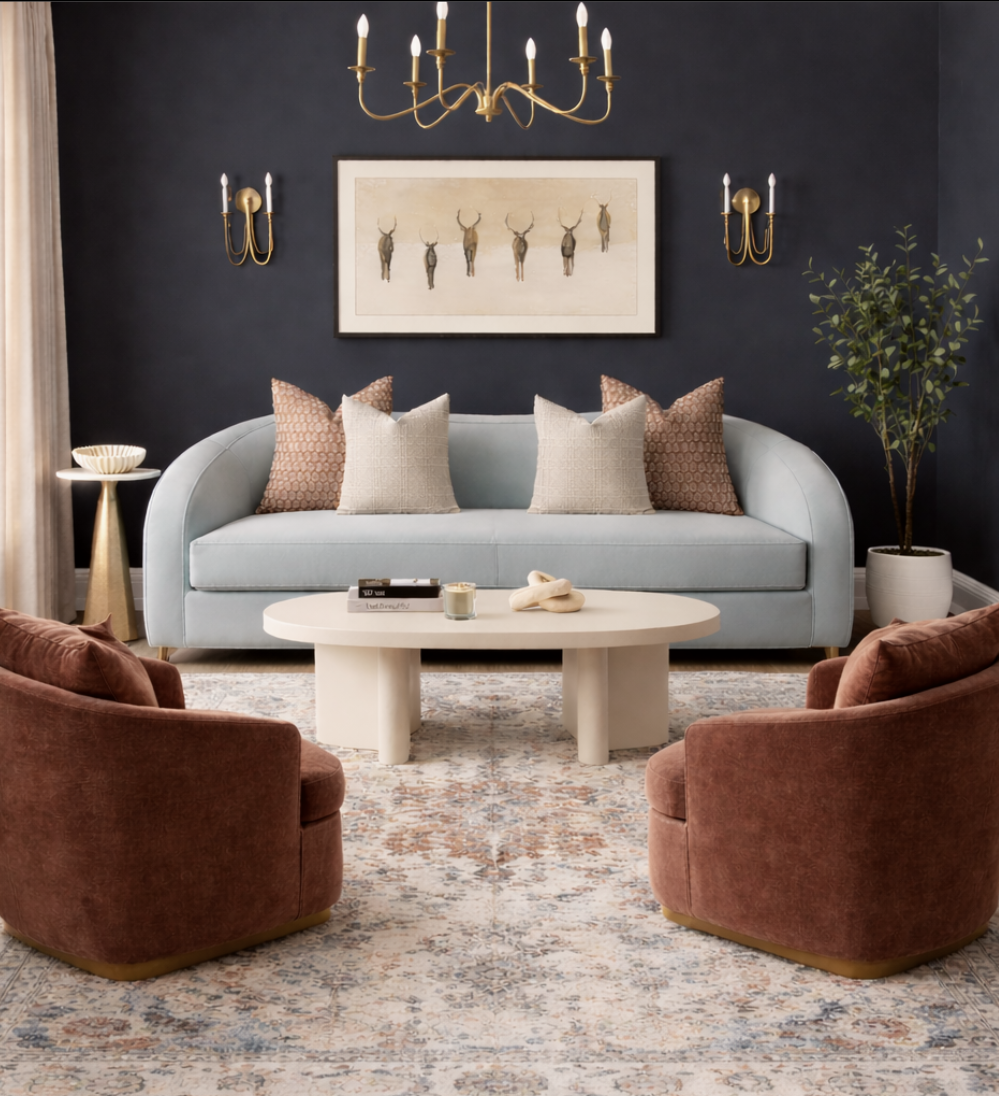
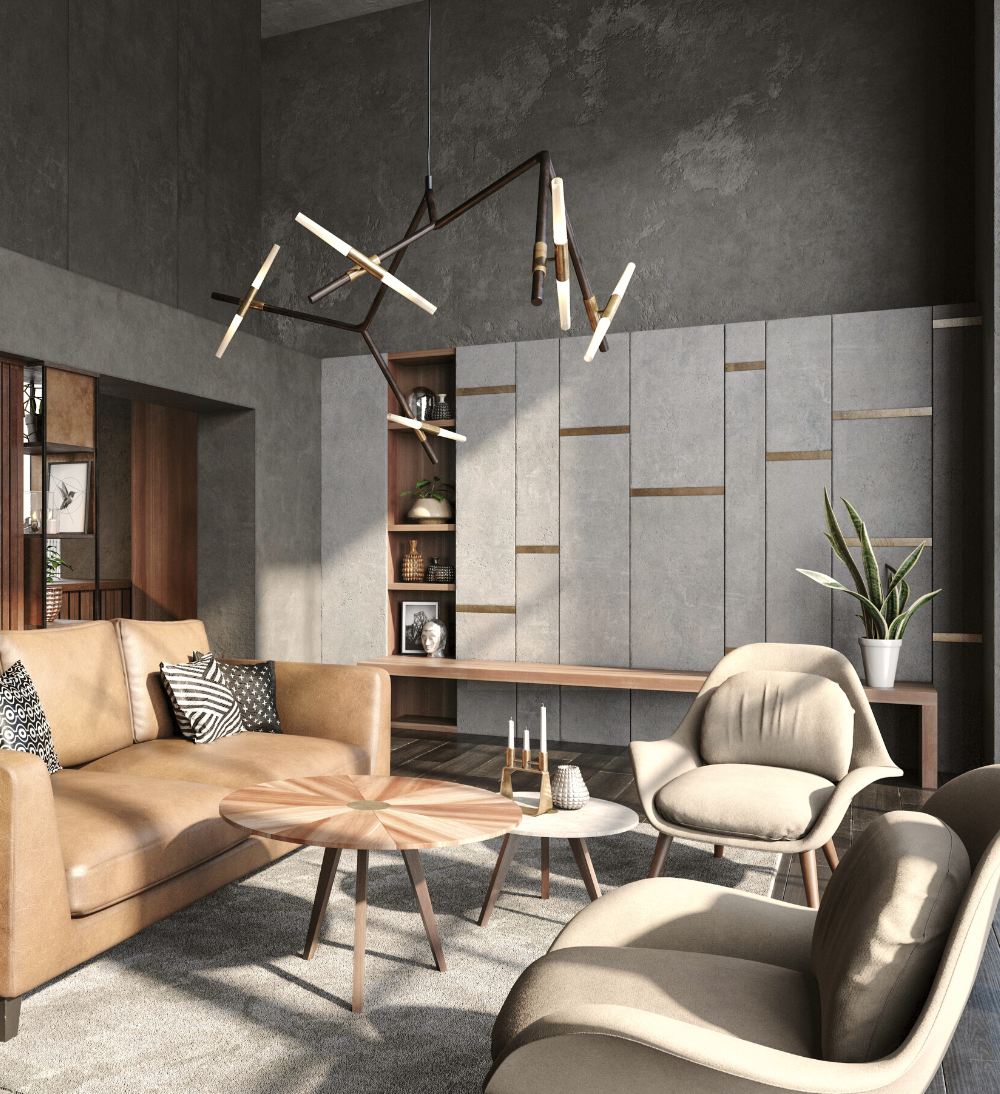
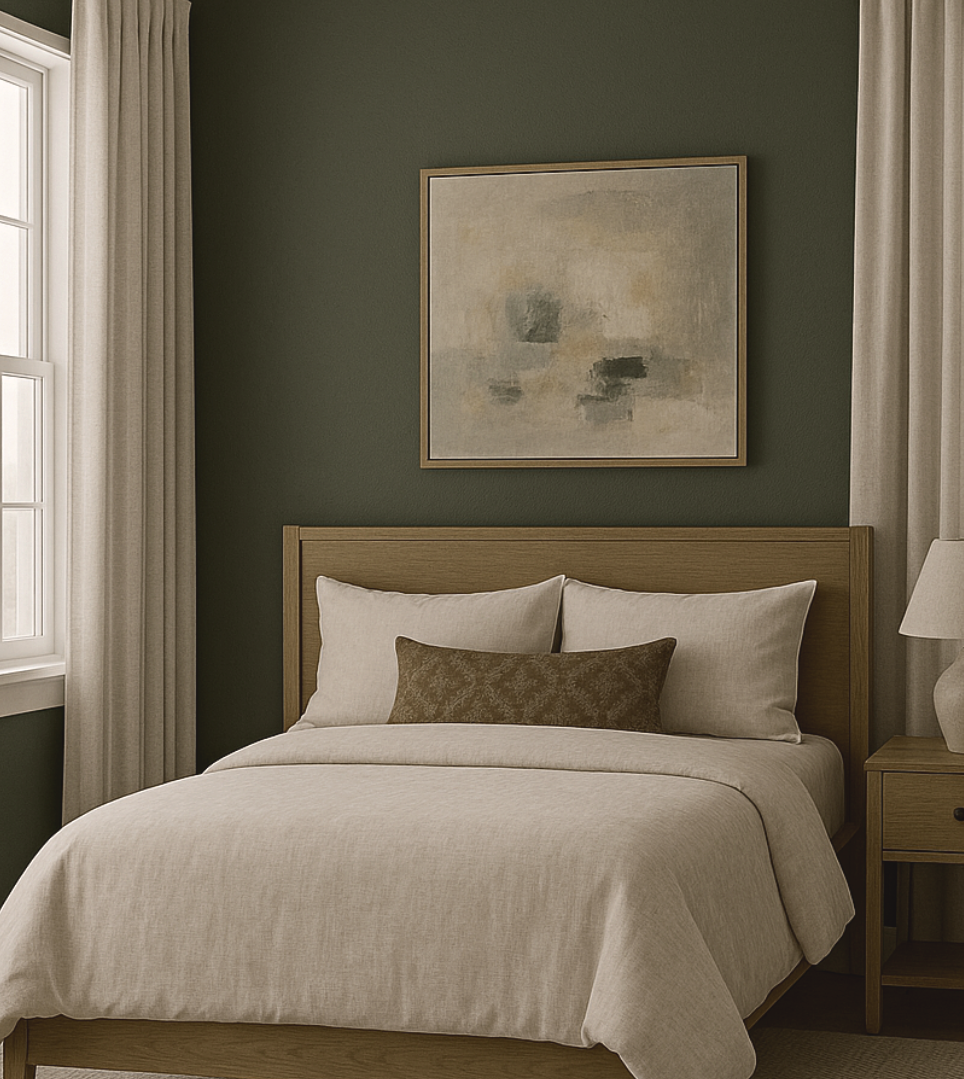
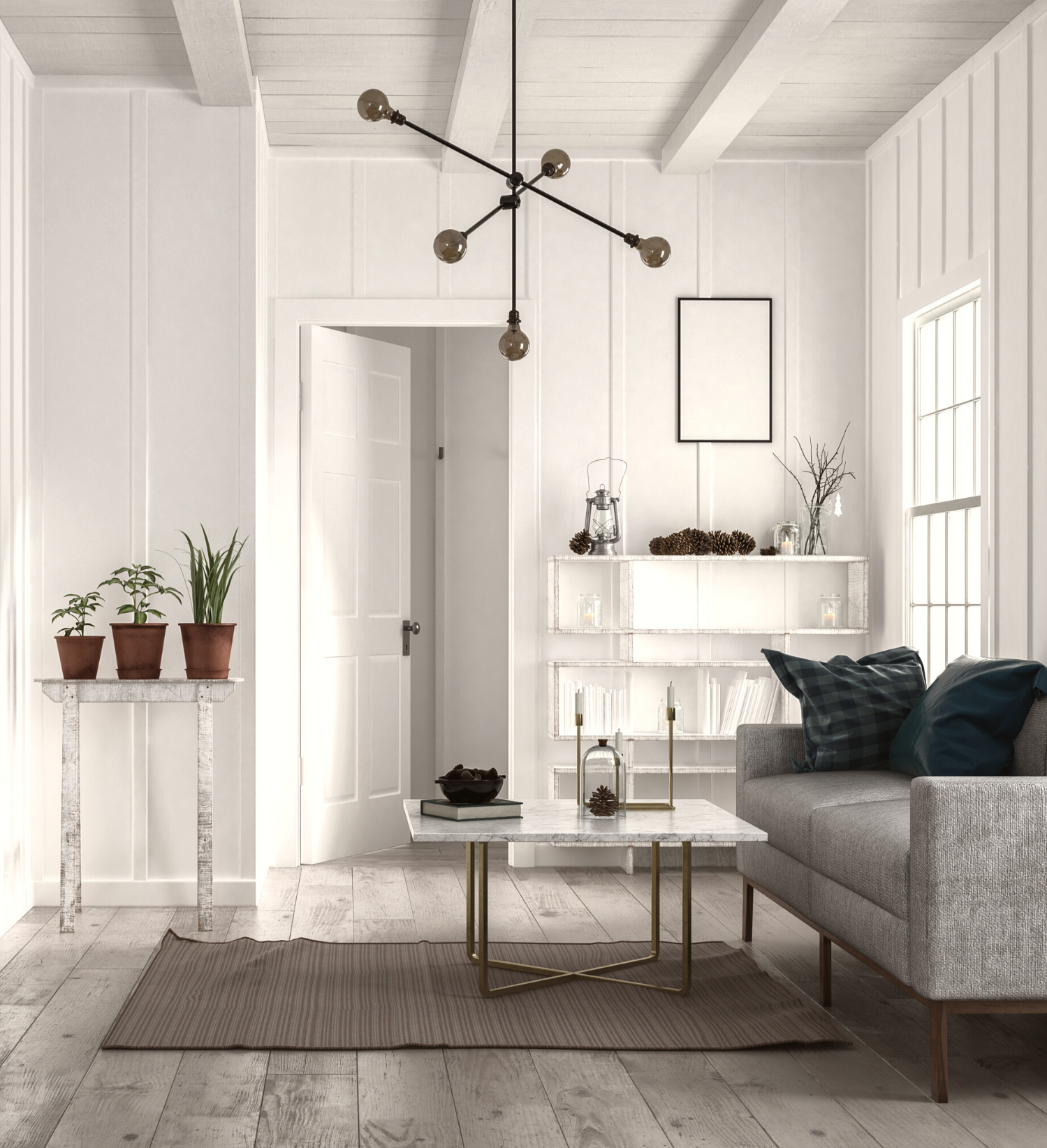
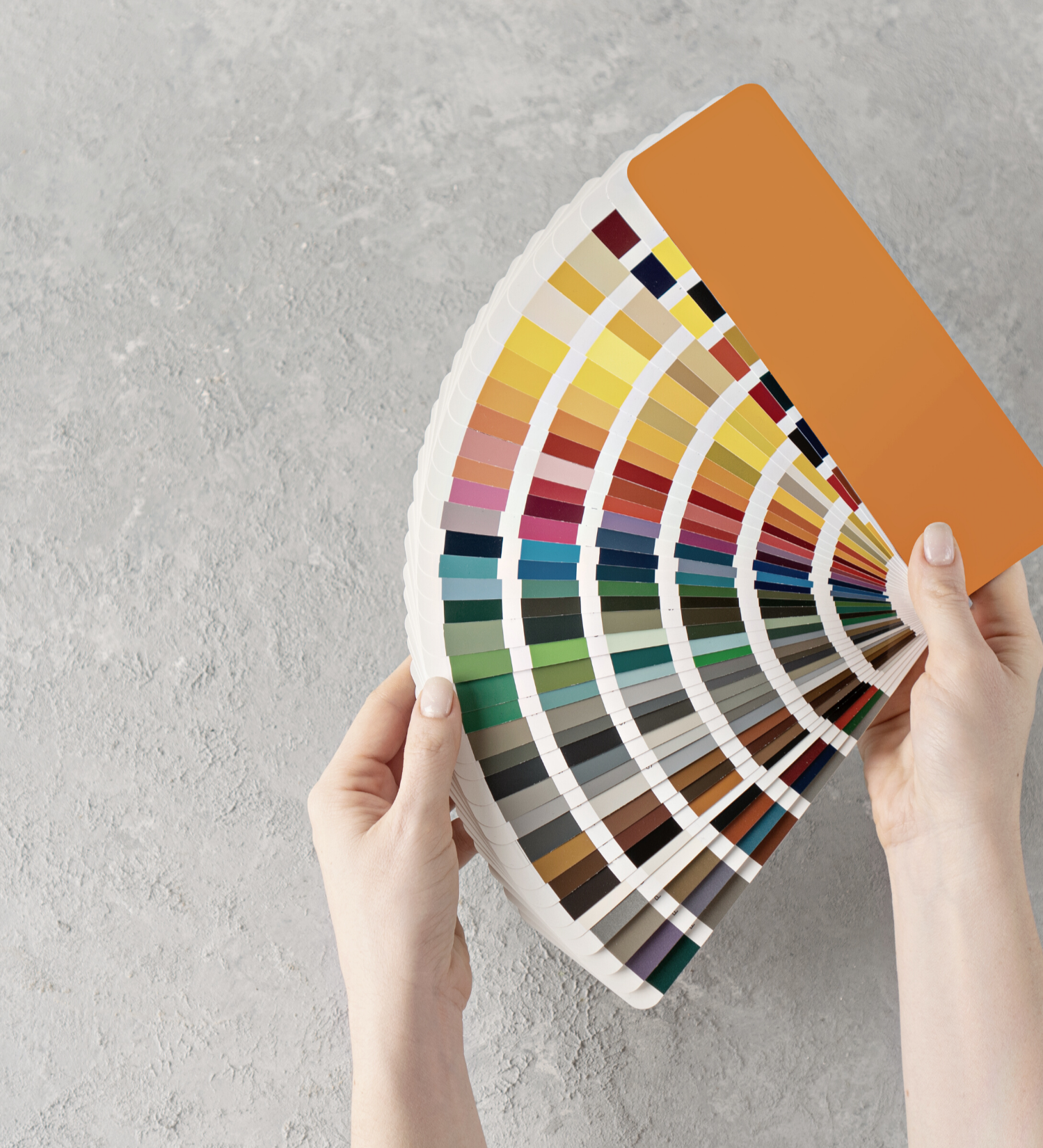
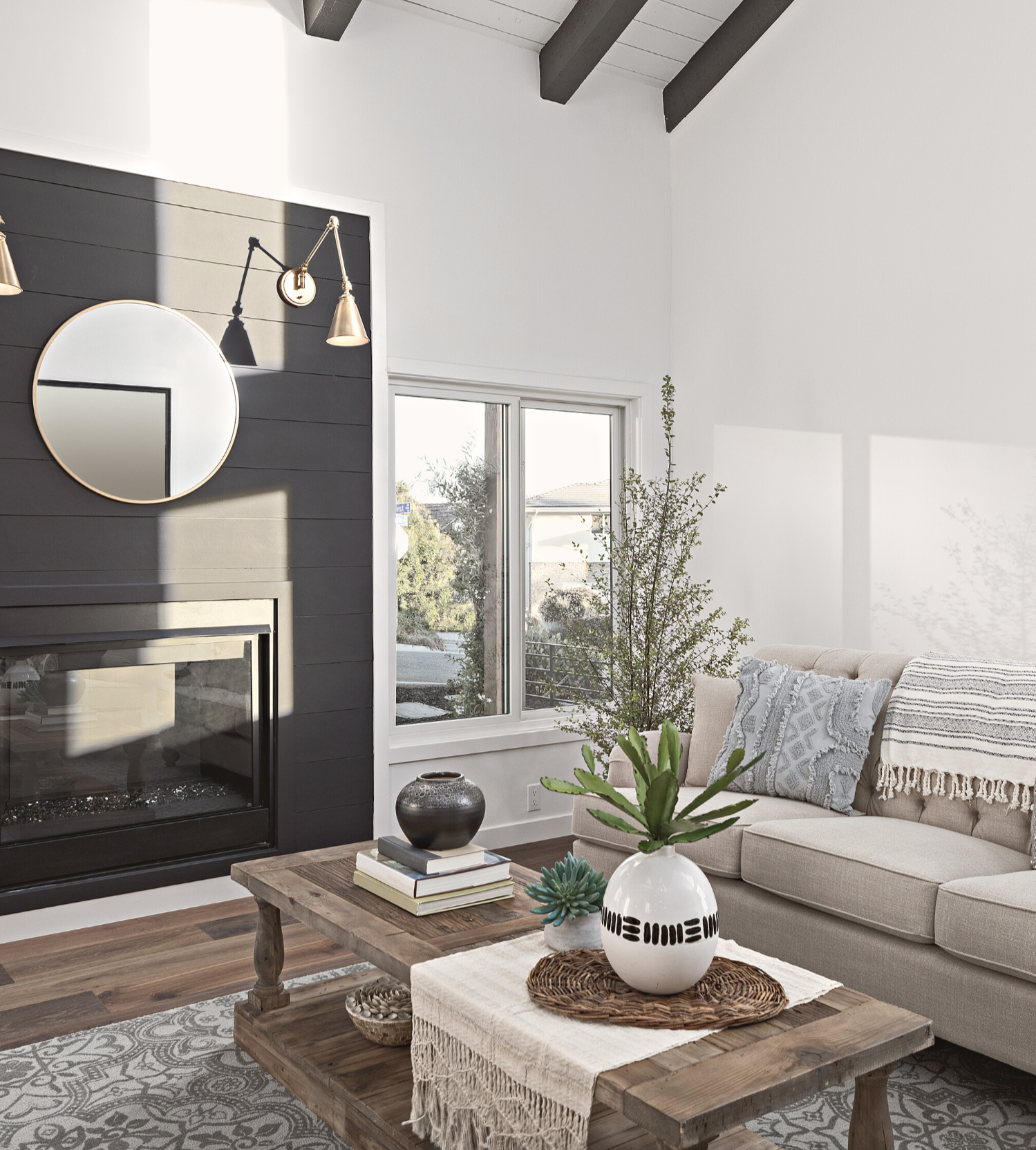
This misconception could not be further from the truth. While light-colored walls do create an inviting and relaxing ambiance, dark-colored walls can do the same thing. It all comes down to the color of the paint, not the brightness. Bright yellow walls are not going to have a relaxing effect, and dark grey walls don’t always have to create a somber ambiance. There’s more to it than just the color of the paint. For example, red is a much brighter color than blue, and blue is usually associated with a calmer mood. However, red actually produces a much more powerful effect, whereas blue is much more subtle. You need to take a look at the hues and tones in each color to understand exactly how they’ll affect your room. You can even test out paint colors to get a sense of how they’ll make the room feel.
You have to renovate your entire home at once.
While you might be tempted to do everything at once, it’s much smarter to renovate one room at a time. If you try to do everything at once, it will be much harder to come up with a cohesive design. Each room should have its own unique character that flows together with the rest of the home but is different enough that it’s noticeable. If you try to renovate your entire home at once, you won’t have time to explore different design options and think about what works best in each room. You’ll be so stressed out trying to come up with design plans for each room at once that you won’t be able to make well-informed design decisions.
High-end furniture and decor are the most important part of any design.
While high-end furniture and decor are nice, they’re not the most important part of your design. In fact, you can create an incredible design on a modest budget. There are plenty of budget-friendly furniture pieces out there that you can mix and match to create a high-end look. If you’re worried about spending too much, you can always start out with a few key pieces and build from there as you get more comfortable with the process. Just make sure that those initial pieces are of high quality so that you can build upon them for years to come.
Bright colors will always make a room feel bigger.
Color is one of the most important parts of designing a room, but it definitely doesn’t have the ability to magically make a room feel bigger. Color is only effective if it’s paired with the right types of lighting and decor. If you try to create a vibrant room with light-colored walls and neutral decorations, it’s not going to have nearly the same effect as a colorful room with plenty of light.
Interior Design Is Just About Color And Furniture
Interior design is a lot more than just picking colors for walls and choosing furniture. Interior designers put a lot of thought into everything from the layout of the home to the way the sound travels through the rooms. If you want to create a comfortable, inviting space, you need to consider all of these elements. The layout of a room is just as important as its color scheme. A room’s layout will affect how it feels and how it sounds. If a room is laid out in a way that doesn’t make sense, it can make the room feel smaller and cluttered. If a room is laid out in a way that flows well, it can make the room feel more open and comfortable.
Bigger furniture and more furniture mean a better room.
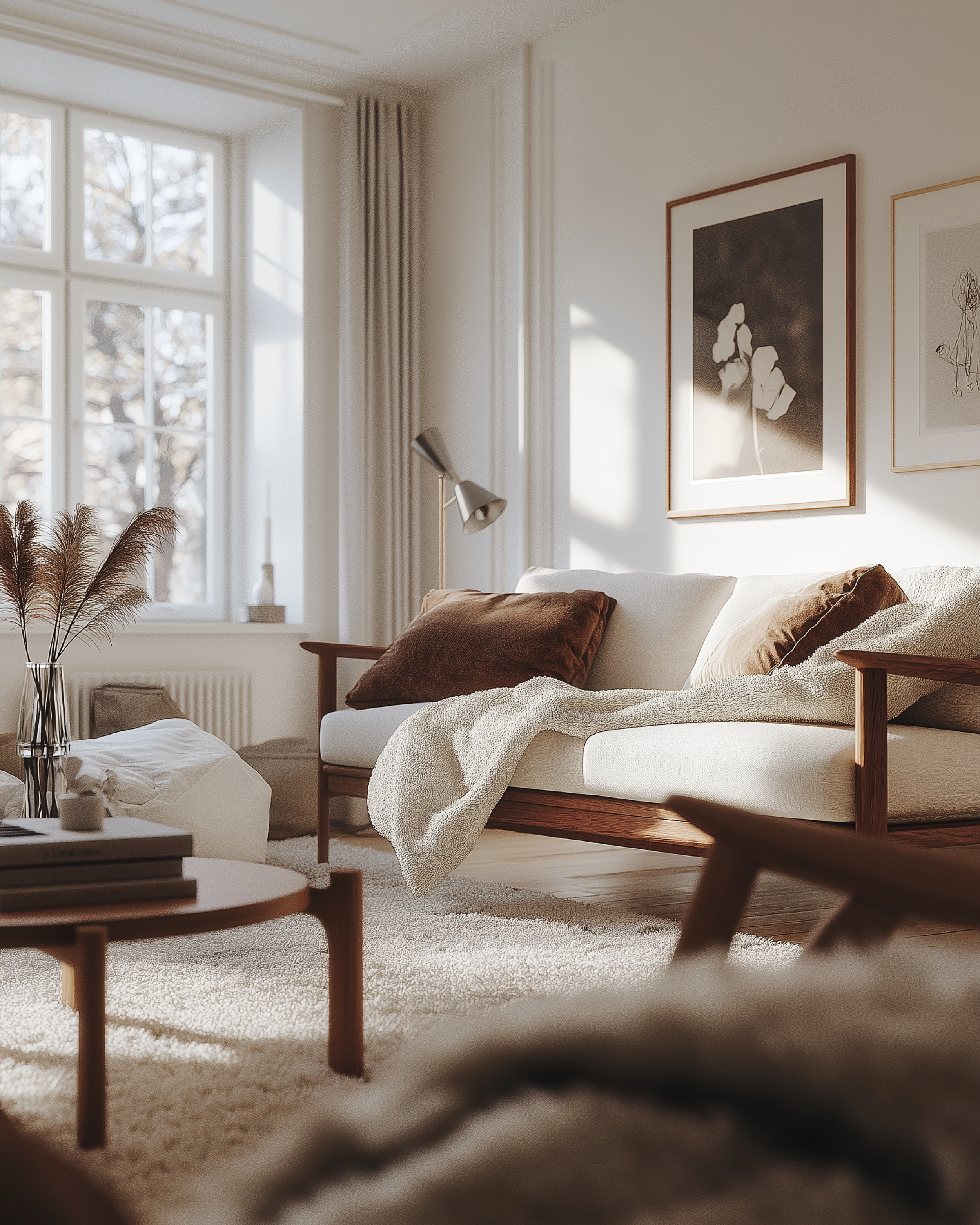
One of the most common interior design misconceptions is that the more furniture you have in a room, the better it will look. The truth is, too much furniture can have the opposite effect and make a room look smaller than it is. If you’re trying to make a room look bigger, you want to make sure you’re not overloading the space with too many large furniture pieces. You want to put one or two large furniture items in the room, but you don’t want to overcrowd it. There are other things you can do to make a room look bigger as well. You can try adding extra lighting to the room to make it feel more spacious. You can also try painting a room a lighter color to make it appear larger.
Conclusion
Don’t let these misconceptions hold you back from creating the home of your dreams. If you’re just getting started with interior design and aren’t sure where to begin, you might feel like you’re drowning in information overload. It can be tough knowing what resources are credible and what advice is worth following. We hope that after reading this, you have gained a better understanding of what goes into interior design and what you need to be mindful of when designing your home
Talk to you soon,
keysi