Layering Textures: The Secret to a Cozy, Elevated Home
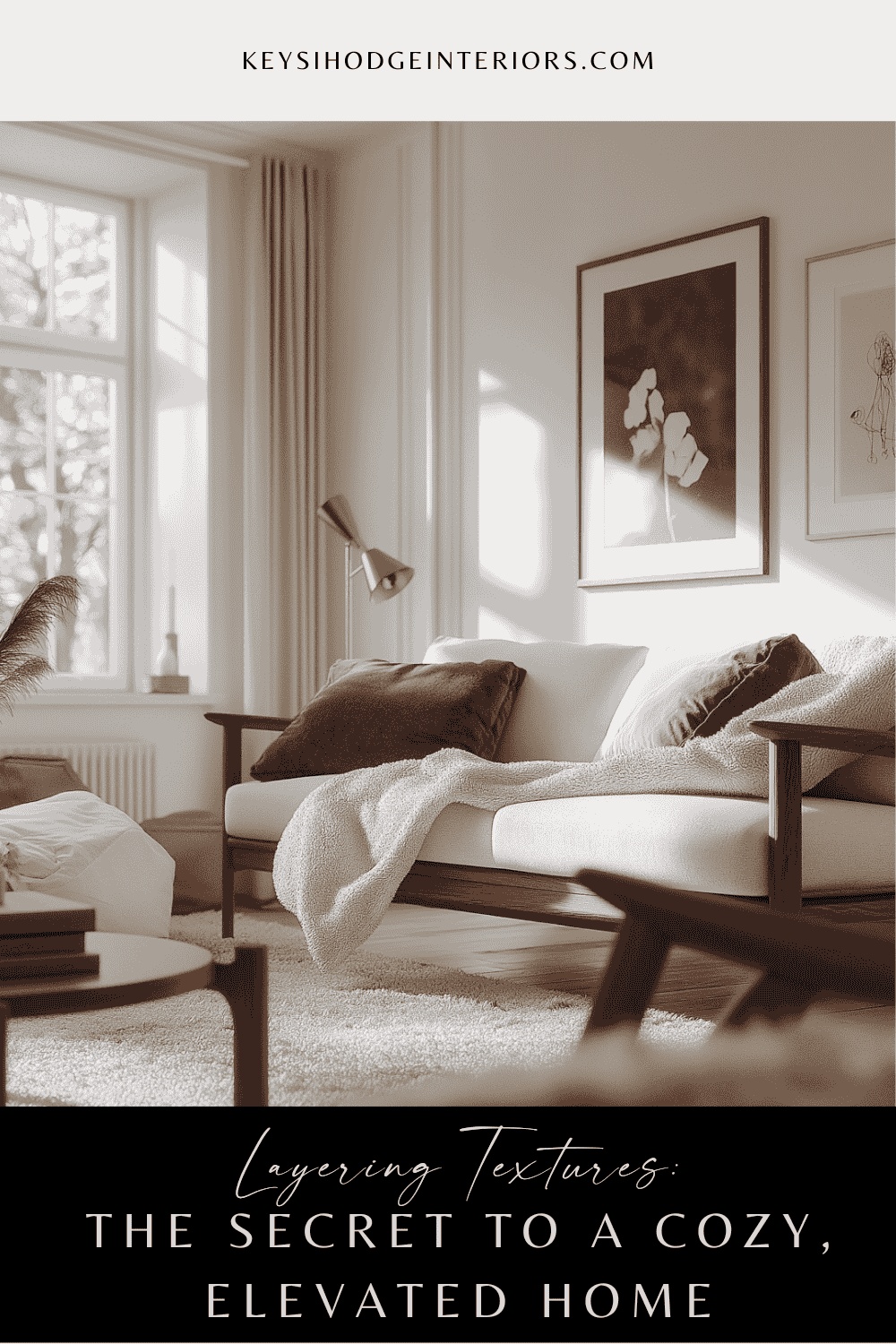
When a room feels flat or unfinished, it’s often missing one thing: texture. Color, furniture, and lighting all matter, but texture is what brings a space to life. It adds depth, warmth, and a sense of balance that you can actually feel.
Layering textures is one of those quiet design skills that instantly makes a home feel polished and inviting. It’s subtle, but it changes everything. Here’s how to use it well.
Start With Contrast You Can Feel
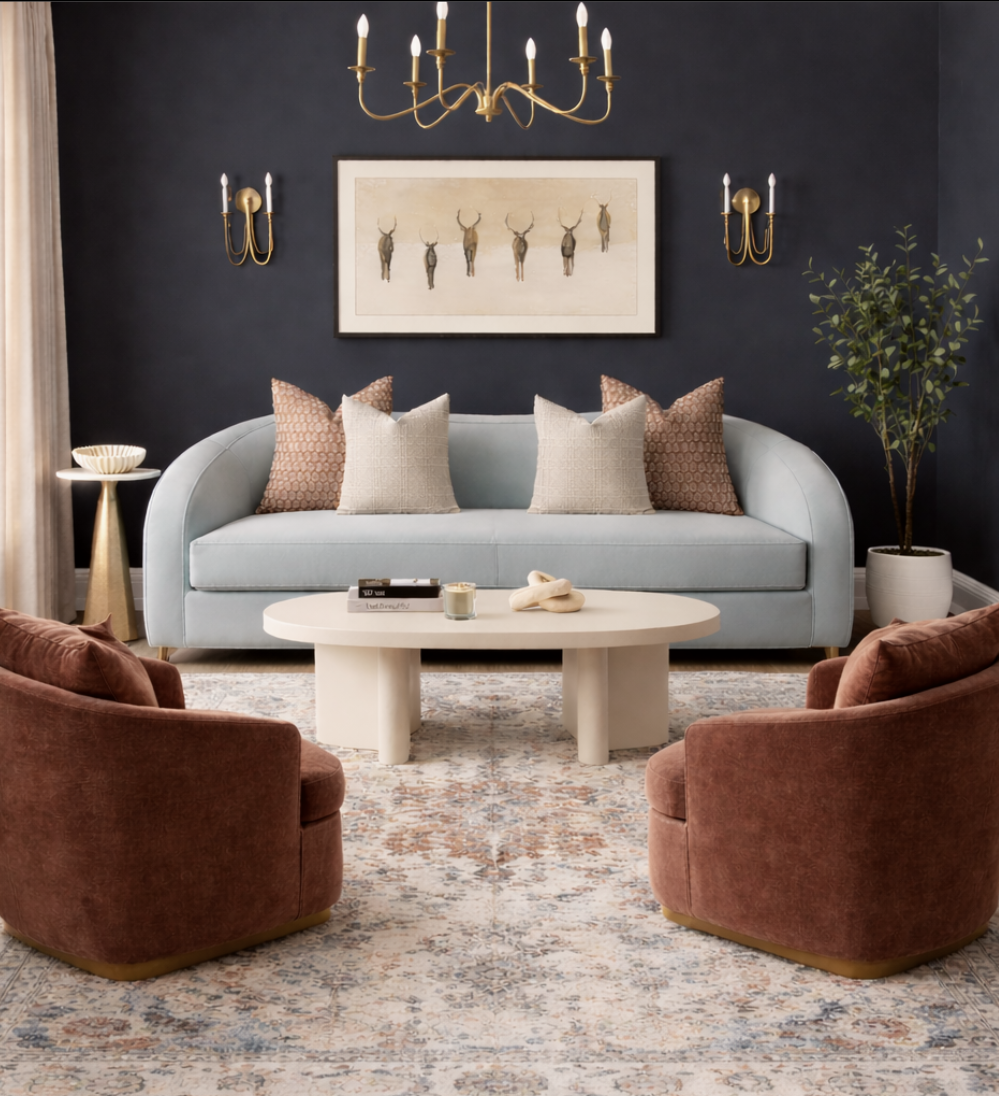
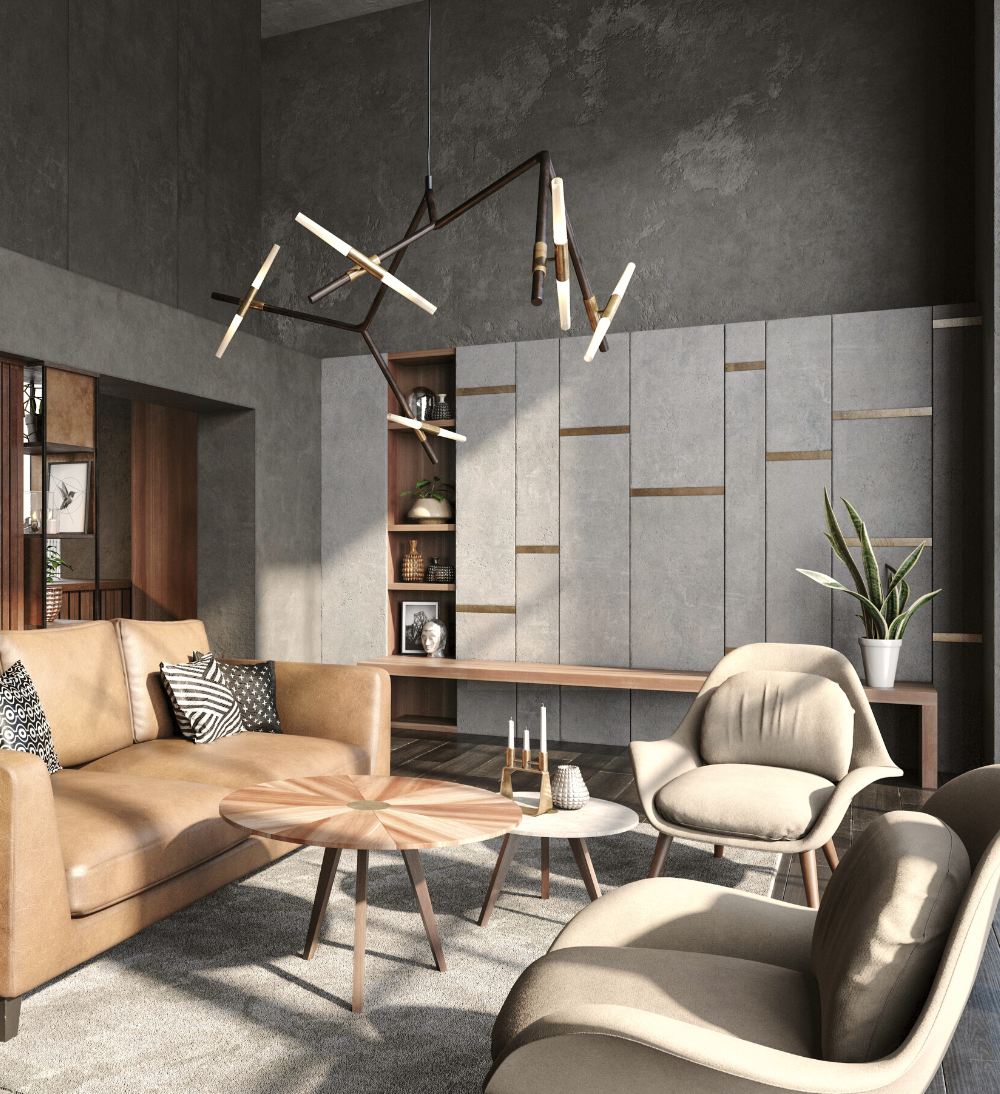
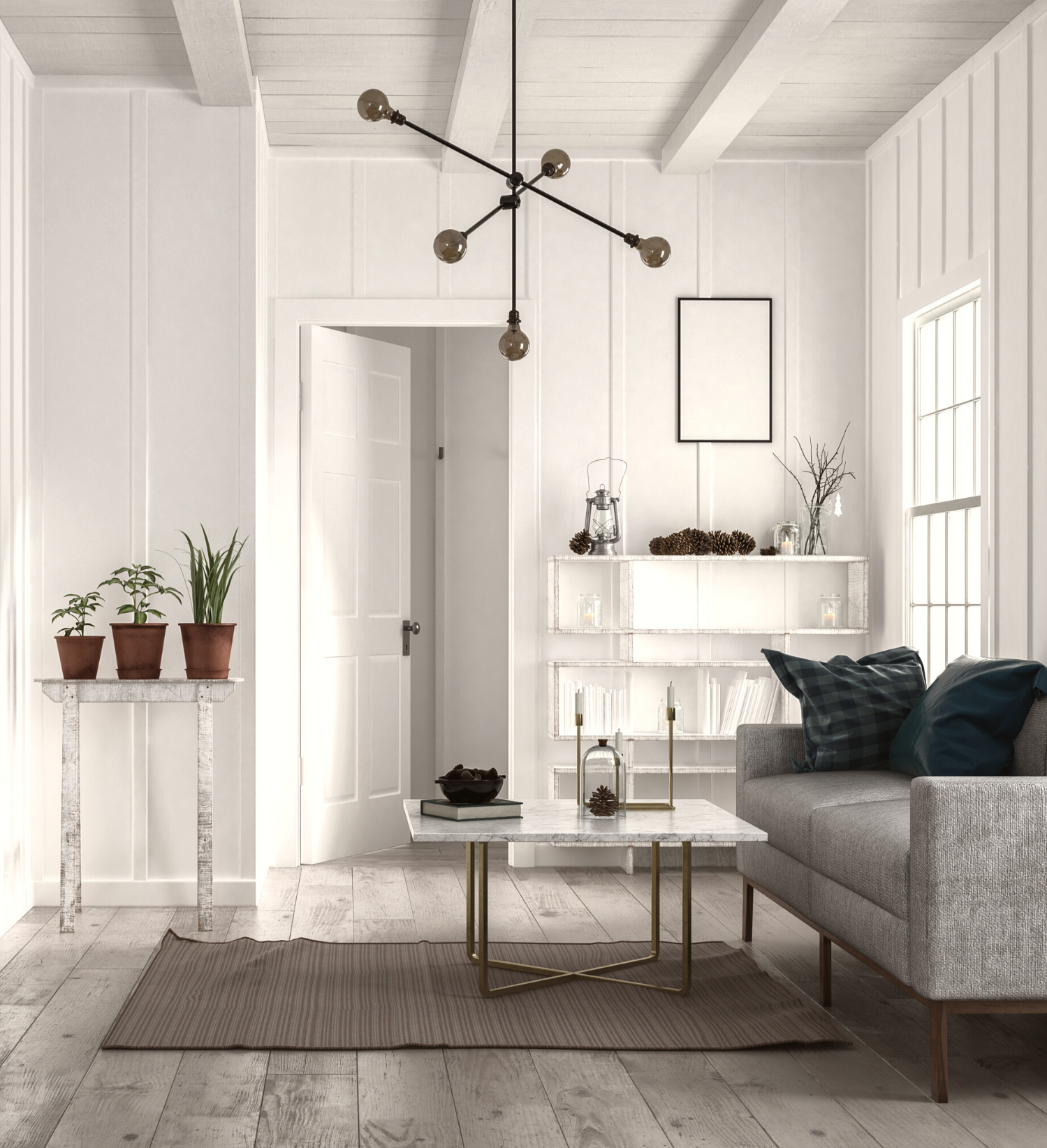
Texture isn’t only visual, it’s tactile. You want a mix that makes the eye travel and the hand curious. Smooth next to rough, matte beside glossy, soft layered over structured. Picture a linen sofa with a boucle throw. A jute rug under a sleek coffee table. A matte wall against a polished wood cabinet. Each surface plays off the next, creating balance and depth without feeling busy. Rooms that feel “cozy” almost always have this kind of contrast built in.
Mix Materials With Intention
The goal isn’t to add random pieces for the sake of variety. Each texture should feel natural to the space. Think of it like layering clothes, start with base pieces, then build interest on top.
You might pair:
A wool rug with a leather chair
A ceramic lamp on a marble table
Sheer curtains beside heavier drapery
A woven basket tucked next to a metal side table
Every combination tells a small story. Together, they make the space feel lived in and effortless.
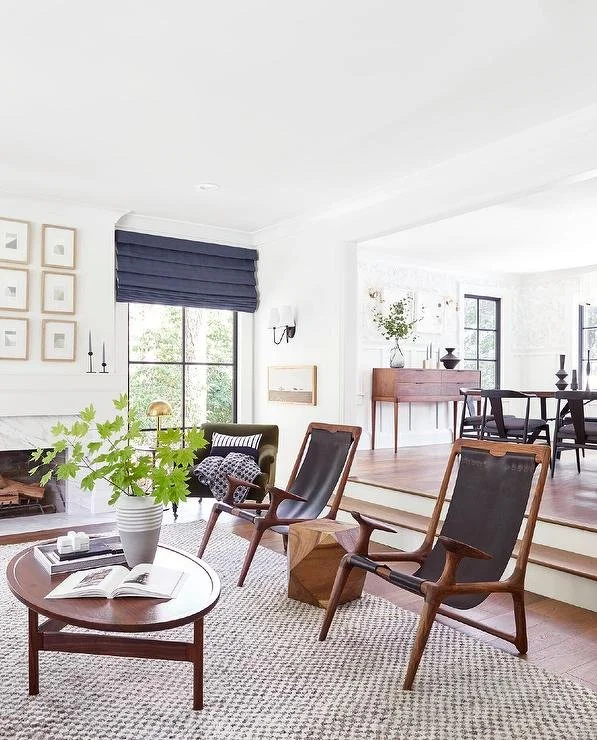
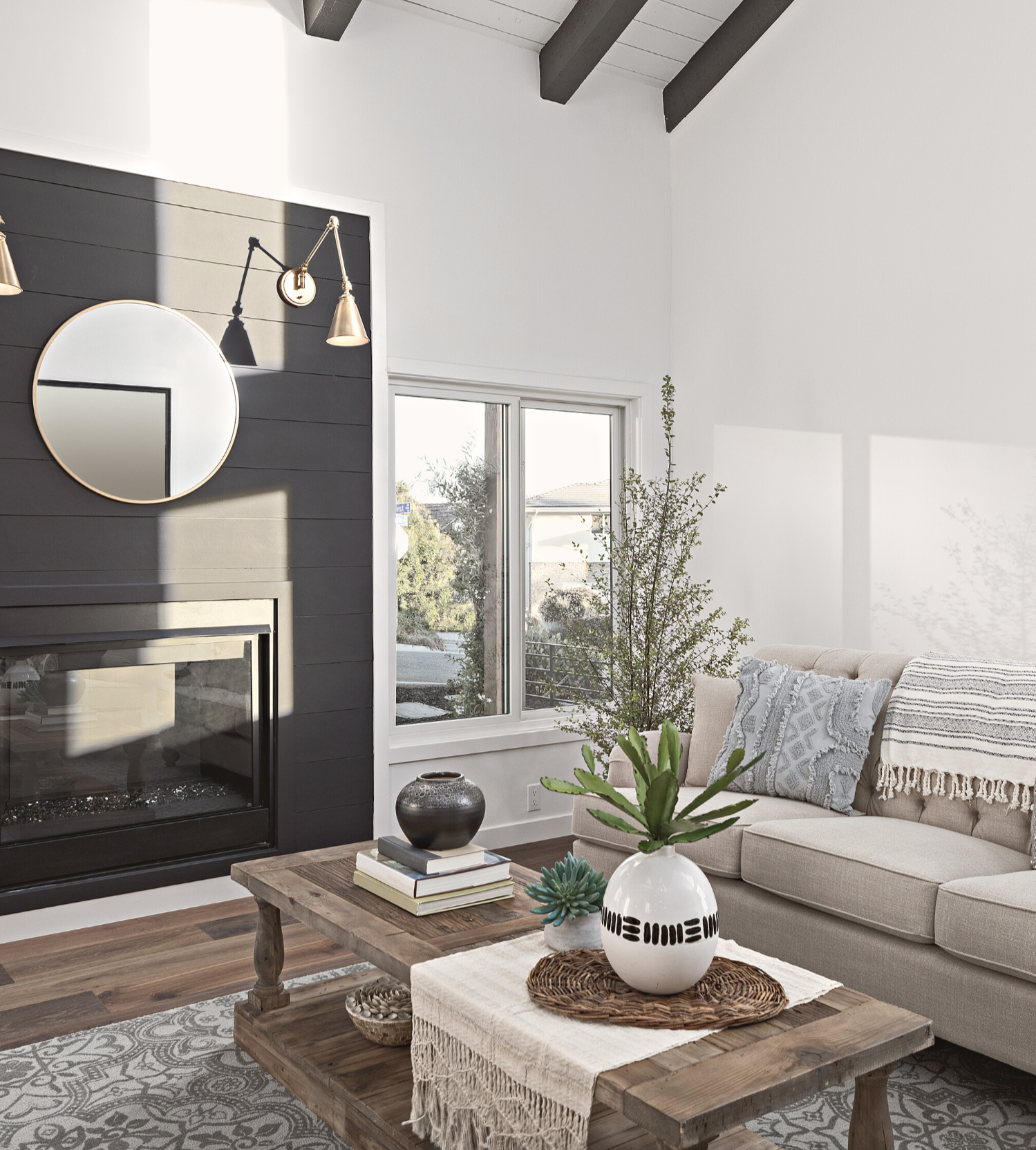
Image Credit: Decor Pad
Use Layers to Create Warmth
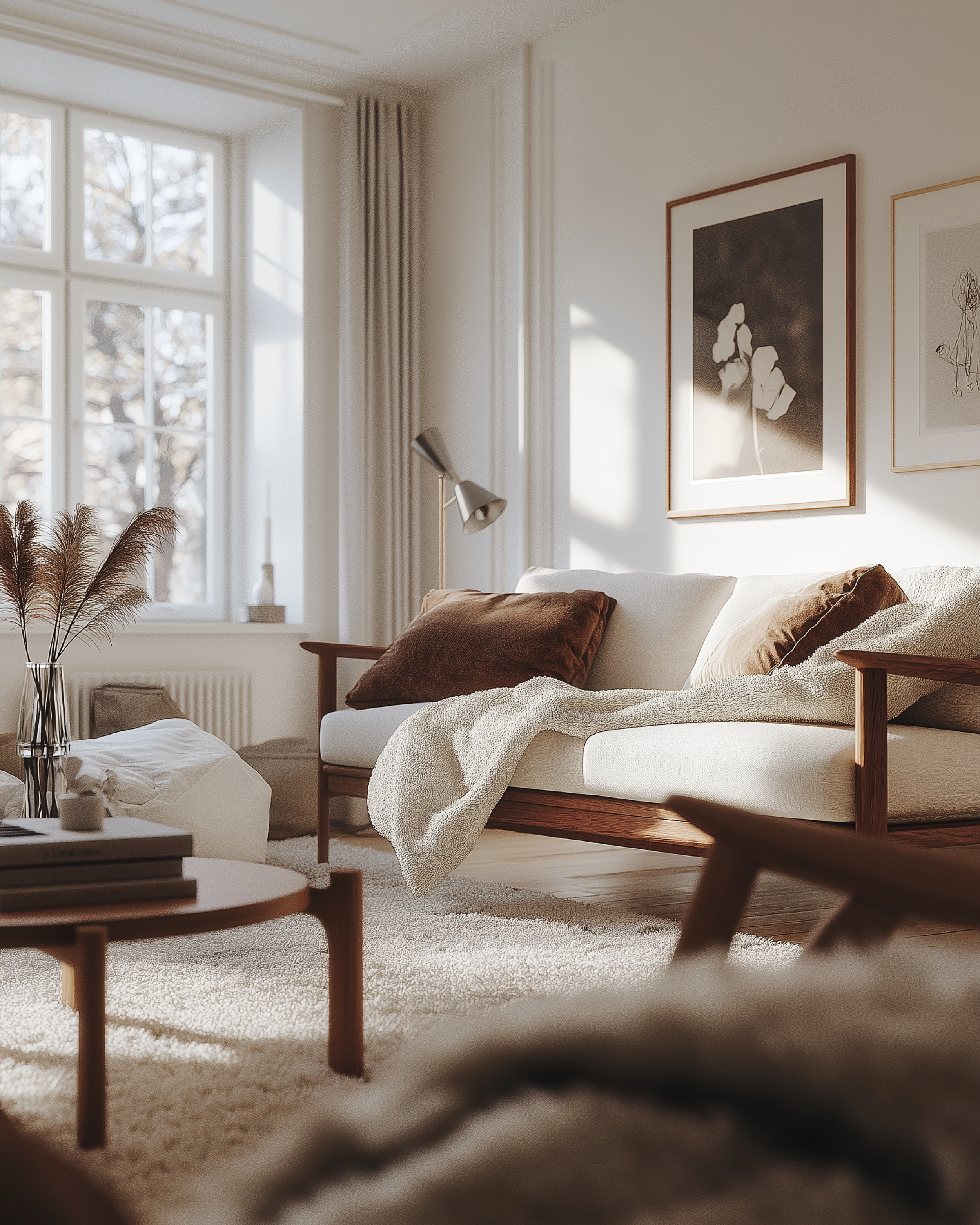
Layering doesn’t mean clutter. It’s about stacking softness and structure in a way that feels warm and balanced. Start with your largest surfaces, the walls, floors, and main furniture pieces, and move outward. Add throws, pillows, trays, and smaller accents that build texture without overwhelming. A neutral palette works especially well for this. When color takes a step back, the focus shifts to feel, how the materials react to light, how they invite touch, and how they hold space.
Play With Light and Shadow
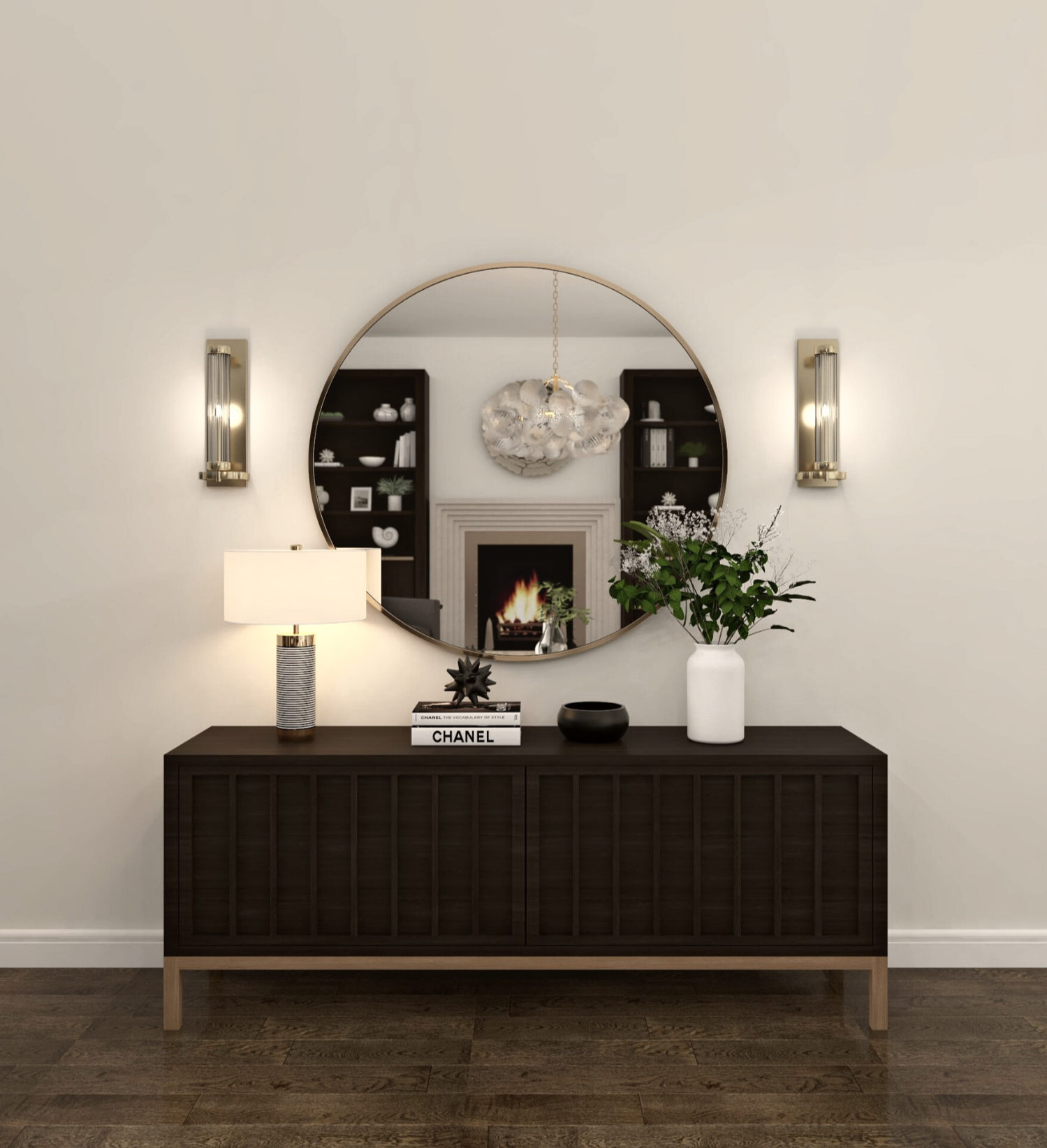
Texture is most visible where light meets surface. During the day, natural light will highlight certain details, a knit blanket, plaster wall, or ribbed glass. In the evening, lamps and sconces cast gentle shadows that bring new dimension. This is why layered lighting matters. A room with only overhead lighting flattens texture. Adding floor and table lamps brings depth back, allowing fabrics and finishes to reveal their richness.
Blend the Old With the New
Texture isn’t just about fabric or finish, it’s also about story. Mixing old and new pieces adds a layer of emotional texture. A modern sofa beside an antique sideboard. A sleek vase filled with dried stems. The contrast between time-worn and contemporary makes a space feel grounded and personal. Imperfection is part of what gives a home its warmth.
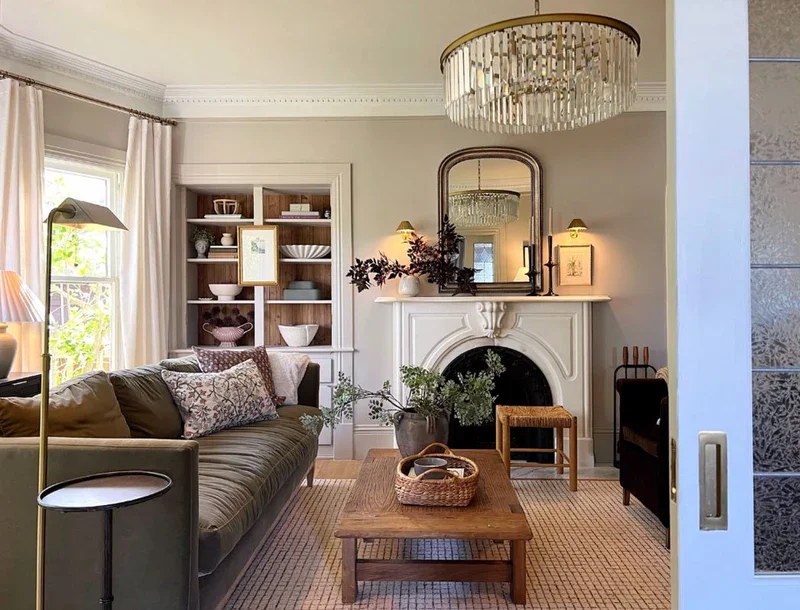
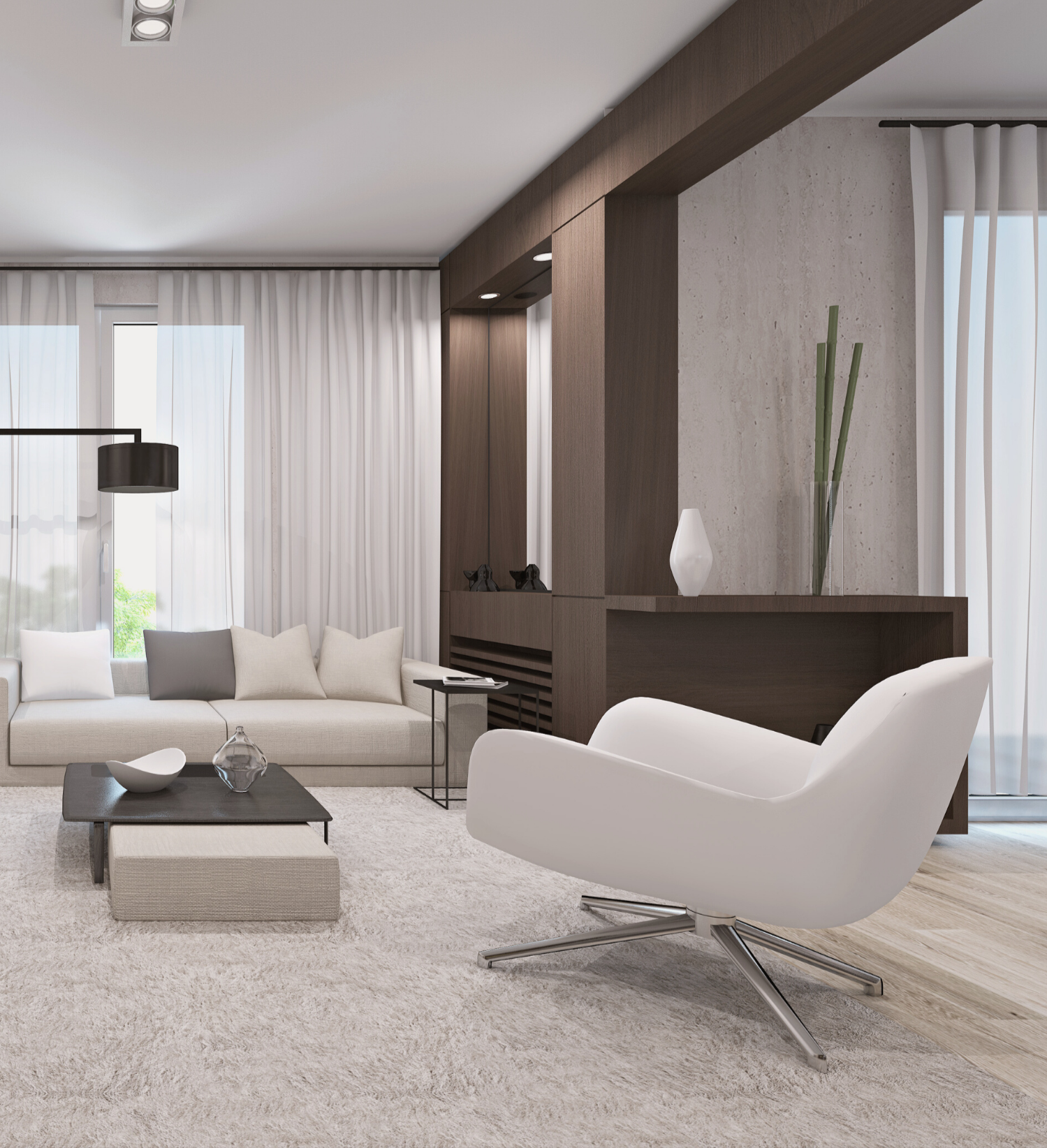
Image Credit: The Every Girl
Think Beyond the Obvious
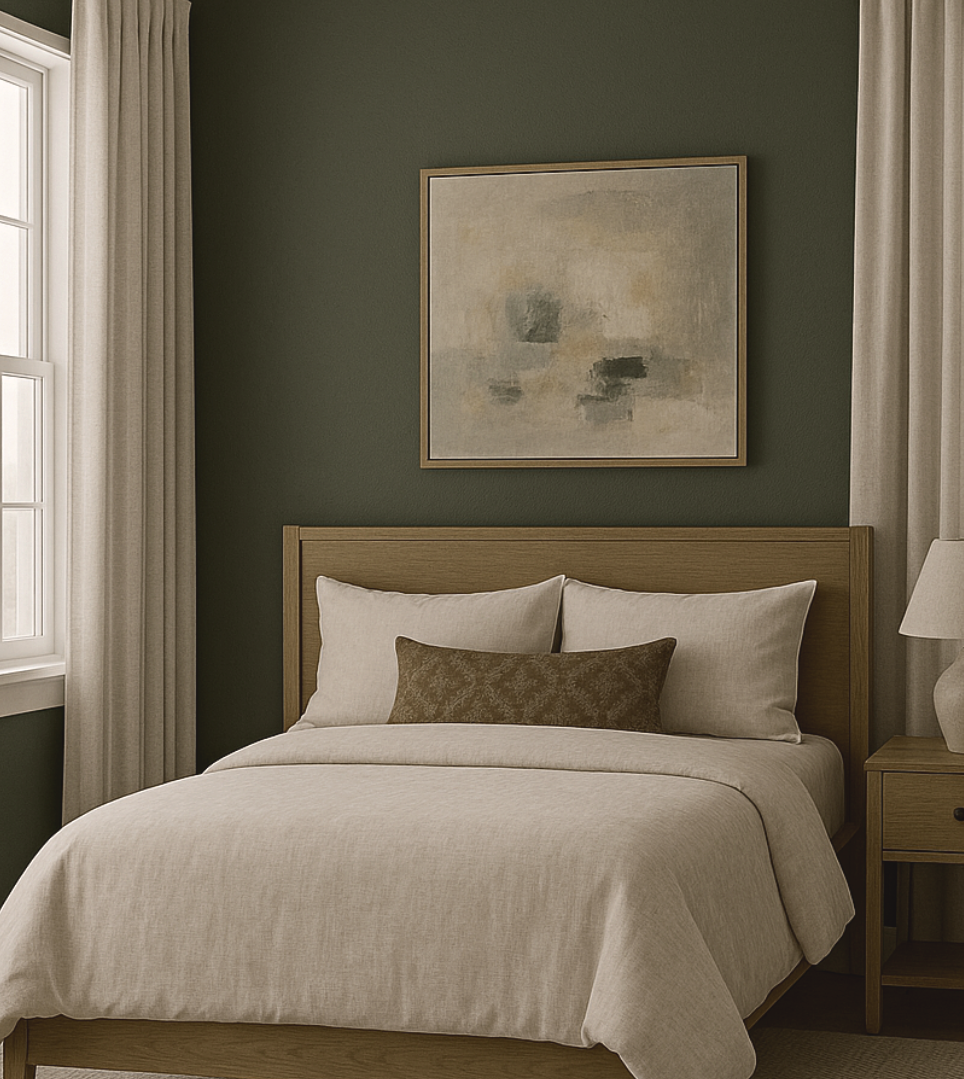
Walls, ceilings, and artwork can all carry texture too. Grasscloth wallpaper, limewash paint, panel molding, or canvas art, all bring quiet movement to a room. Even something as simple as matte versus satin paint can change the way a space feels.
Adding subtle architectural texture, like beadboard or fluted details, creates interest that doesn’t rely on decor alone.
Keep It Balanced
Texture works best when it’s balanced. Too much of one thing, too many knits, too much wood, too many shiny surfaces, can make a room feel heavy. Aim for a mix of smooth and rough, soft and structured, natural and refined. If a room starts feeling chaotic, remove one layer and let the others breathe.
The right mix feels effortless, never overdone.
Final Thoughts
Layering textures is what takes a home from styled to soulful. It’s the reason a neutral space can still feel rich, and why certain rooms make you want to stay a while. When everything looks too perfect, texture brings it back to real life. It adds warmth, movement, and personality, all the things that make a home feel lived in and loved.
Start small. Drape a throw over a chair, add a woven tray to your coffee table, swap a shiny vase for a rough ceramic one. Each change builds a little more depth until the room feels complete. That’s the quiet magic of texture, it doesn’t ask for attention, but it always makes you feel at home.
I hope you enjoyed it!
keysi
SHOP THE LOOK
(Click image)