How to Make Your Next Home Decoration Project a Success

Let’s face it; we are always looking for ways to improve the look of our homes. Sometimes it’s a necessity; sometimes, it is not.
Decorating your home does not start with just thought some morning. You need to start with some concepts and rough ideas about what you want. Once you have your ideas down on paper, it can get confusing, looking at the total scope of your project. Developing a plan is very important, and this will help minimize frustrations. Proper planning will spell out specifics and hidden charges.
Being at home all this time during the pandemic has been almost impossible to overlook that area, piece of furniture, or decor we no longer feel inspired by.
Maybe you want to update that awkward space in your home, or maybe you just need a new painting, or if you are like me and finally found your style and want to make your home to be a reflection of what you really love, whatever the reason it may be considering these tips will help you succeed at your next home decoration project.
1) Set a Budget
Determine your budget. Now, this should be the first and most important step. Think about how much you are willing and able to spend. For that, you will need to think about also how far you want to go. Is it just a refresh, is it just one room or an entire home? Having a budget at front will help you make wiser decisions when it comes to selecting and purchasing your items.
2) Make a list
Grab a piece of paper or create a spreadsheet and list the things you want to replace. How many rooms at a time? Do I want/need painting? Is my sofa broken? Write down what you really need and the items you are keeping, and the ones you definitely want to replace. Give yourself some time to play with the list, make adjustments, and yes, make up your mind.

3) Be realistic about your lifestyle.
A good decorator would steer you away from ordering silk or velvet upholstery if you have kids or furry friends — do yourself a favor and do a reality check for each design decision before committing. There is nearly always an alternative that will work with your scheme just as well (if not better than) your original choice. And you will thank yourself later!
4) Choose your color palette.
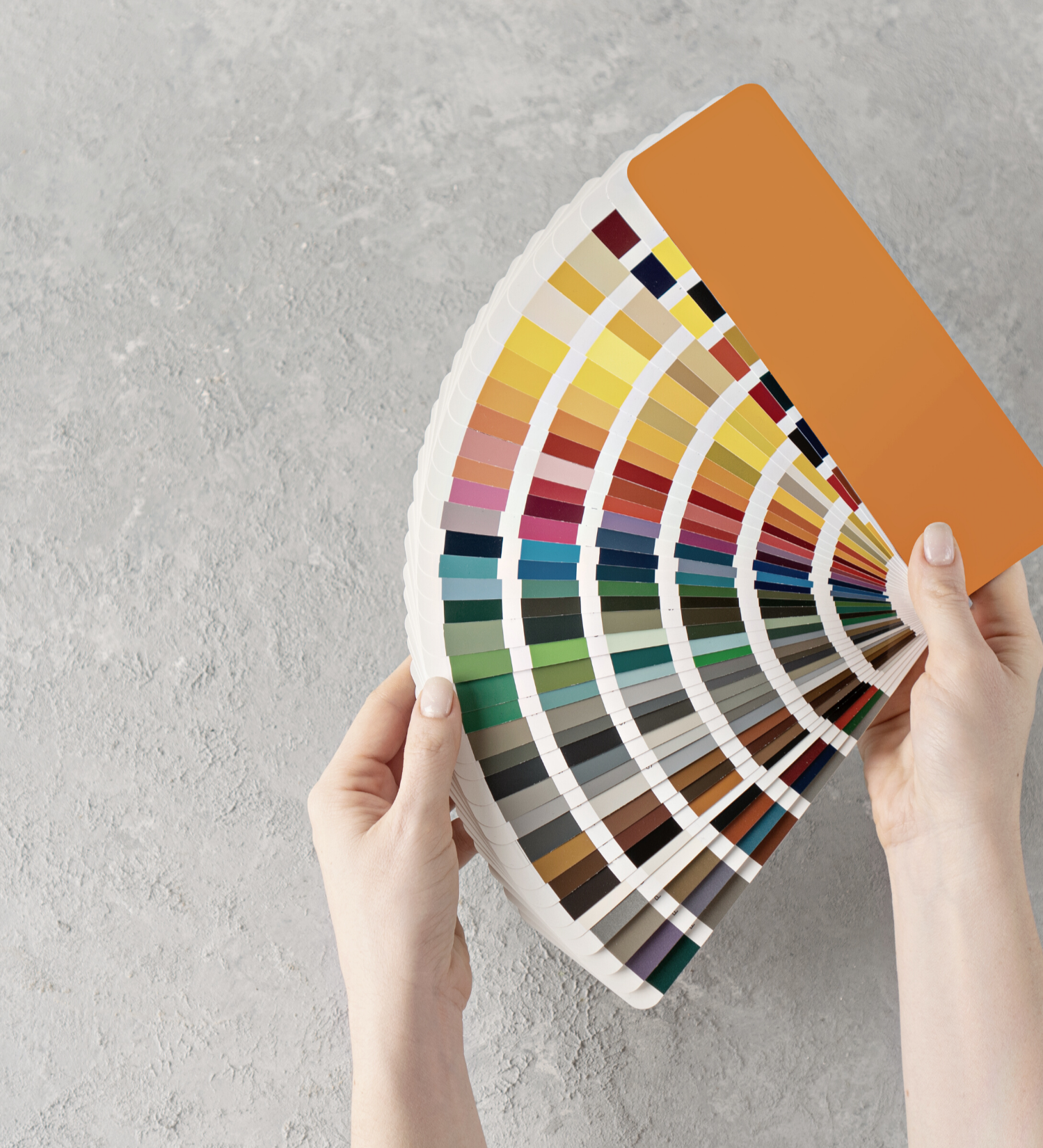
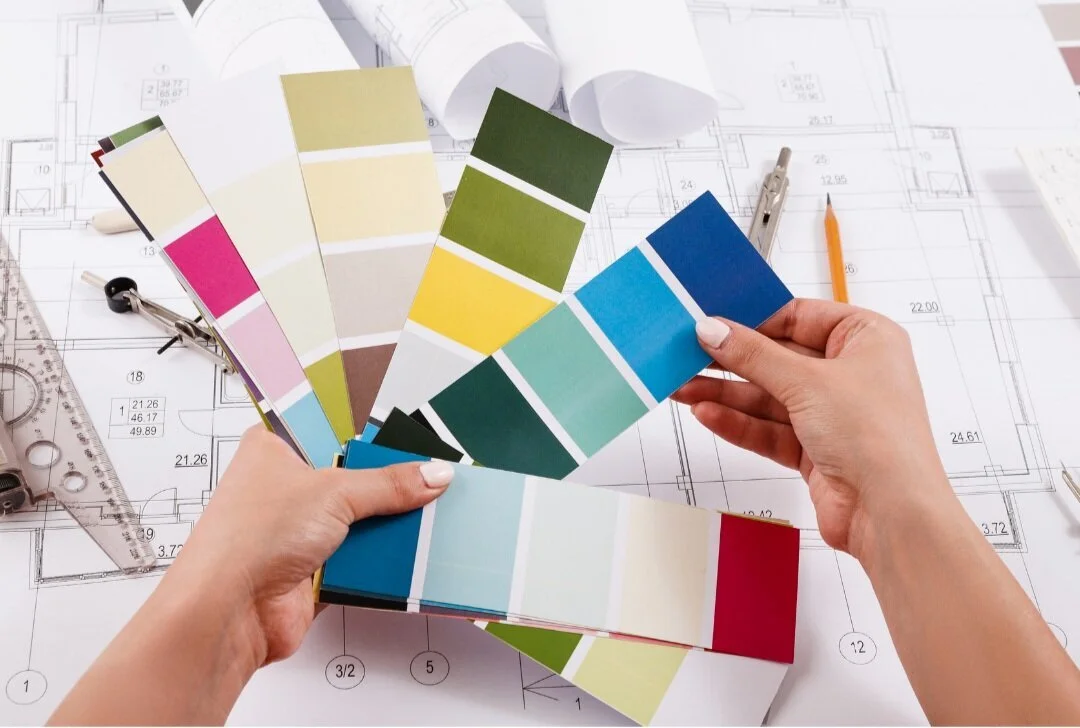
Now, why is this important? This will save you time and prevent you from making costly mistakes and buying wrong items that will hurt your budget, and we don’t want that, especially if you are decorating one room at a time. When it’s time to move to the next room, you already know your color and can keep the same theme throughout the house to achieve a cohesive look.
5) Find your style
I know, I know, it can be hard. Trust me, I, myself, spent a lot of time trying to figure out my own style. But this is important because if you don’t know your style, it will be so much harder to commit and you could end up with a style you don’t really love.
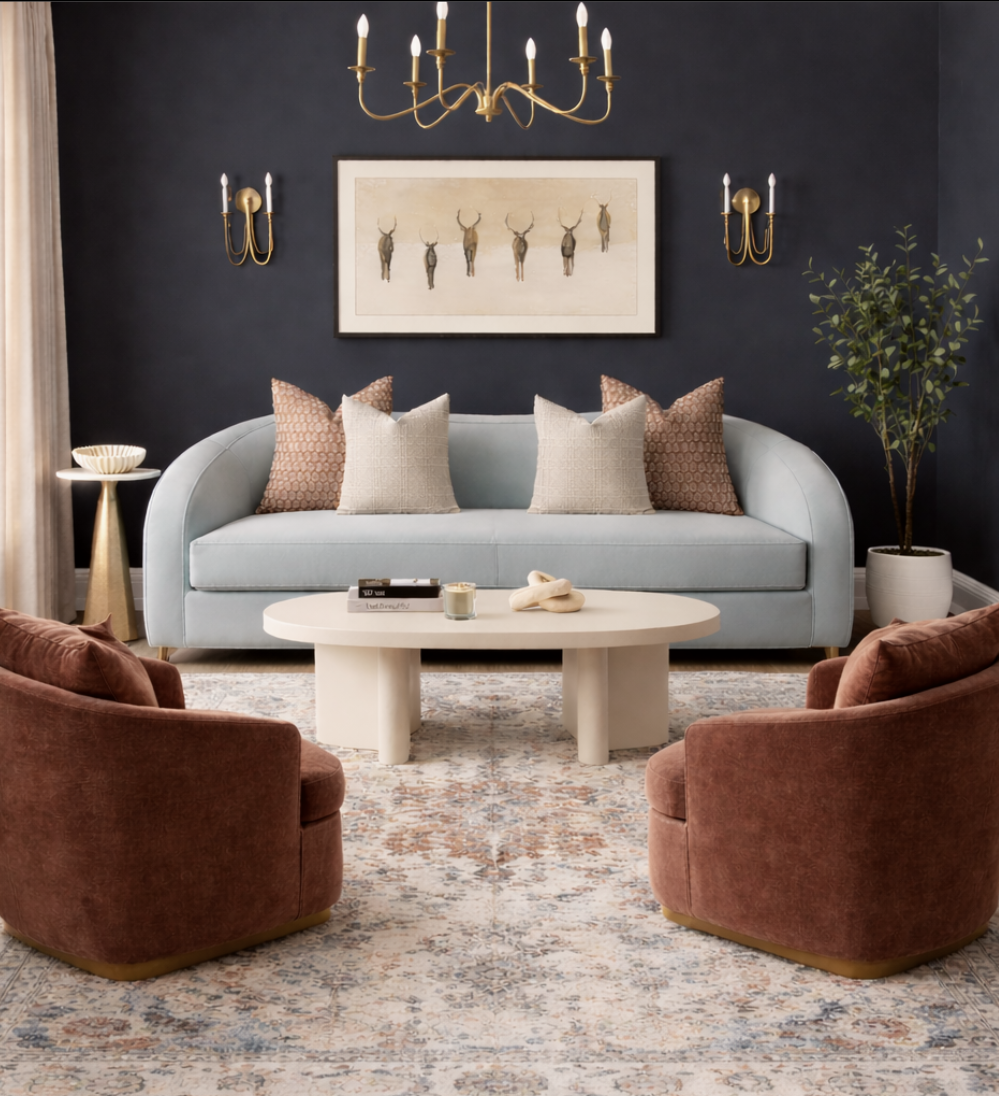
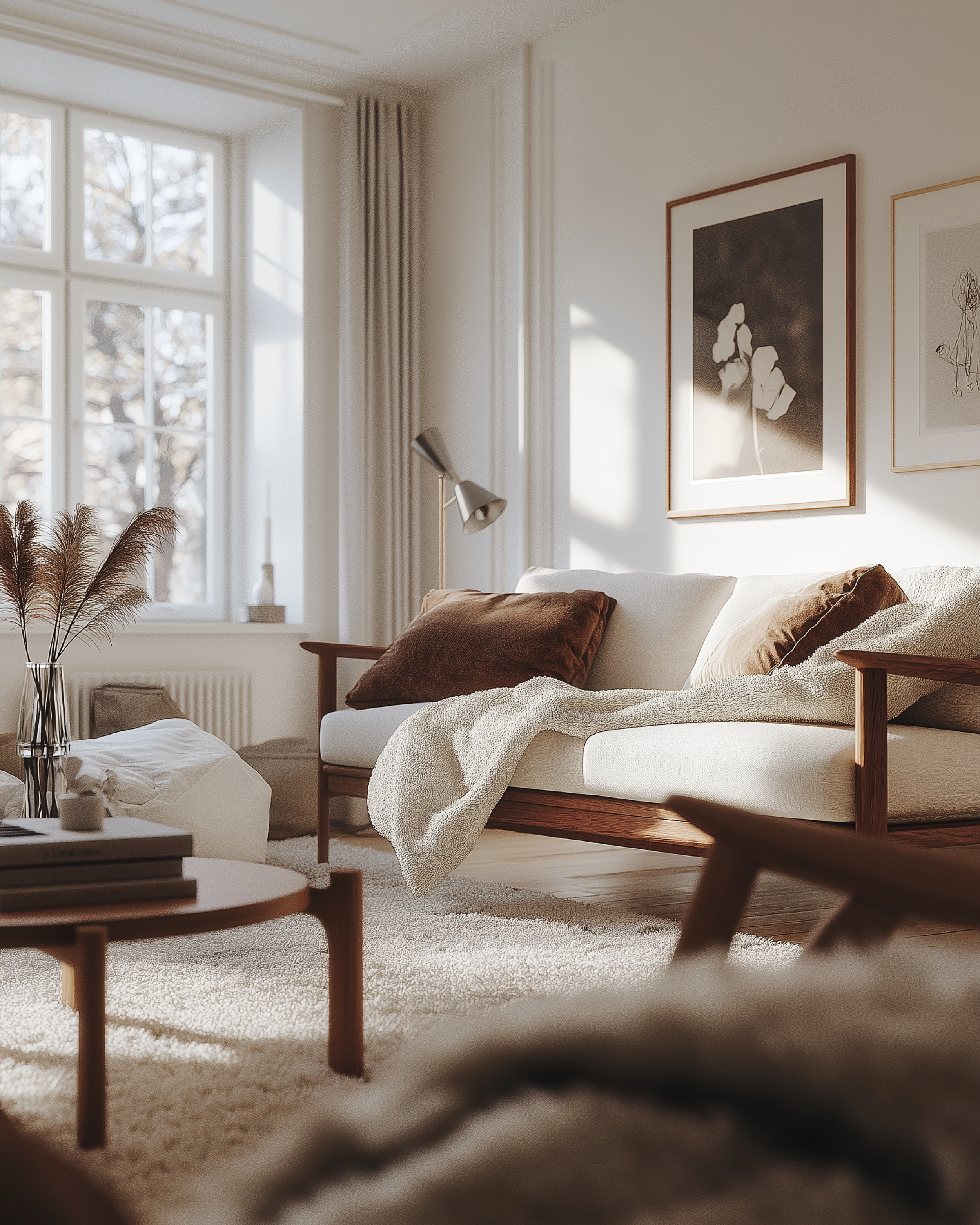
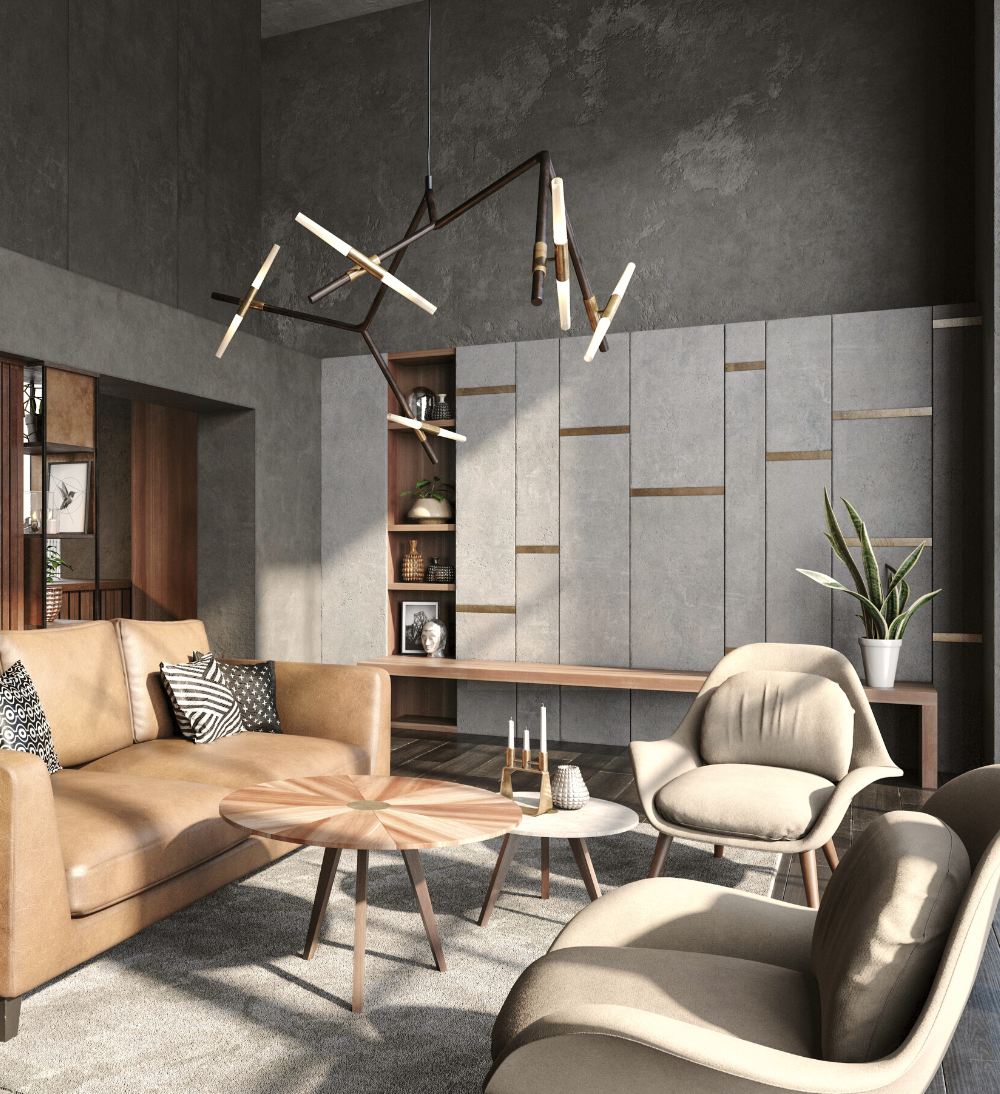
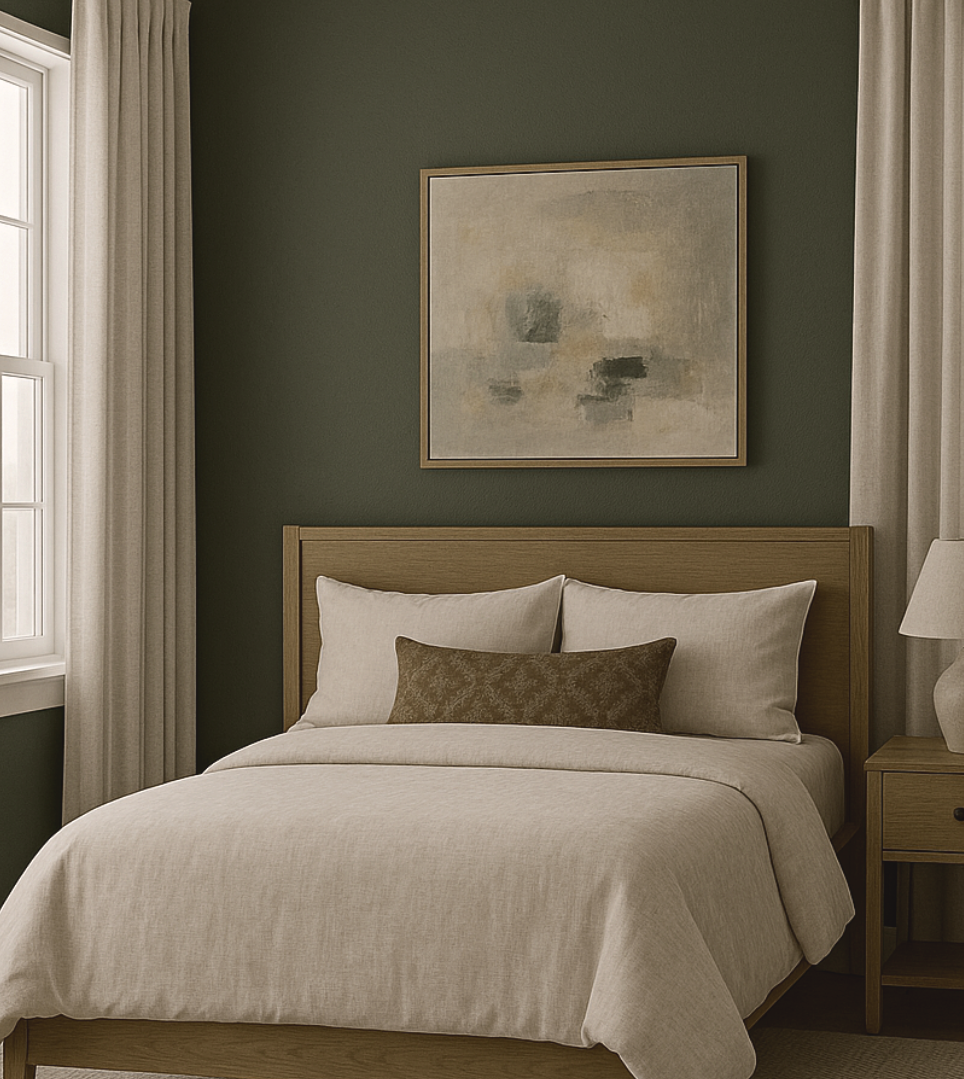
Pro tip: Gather 20-30 images of homes and spaces you love, pay close attention to each one of them, and write down 5-10 main commonalities you notice of the things you love. Here are 3 key things to look out for: the feel or vibe (e.g. cozy, romantic, etc.), the color palette (e.g. neutral, warm, vibrant, etc.), and the concept (e.g. elegant, modern, farmhouse, etc.).
6) Make it functional
Yes, we all want a beautiful space. But also think of what you really need and the activities you do the most. Do you like reading? Do you cook a lot? Do you work at home? Do you have kids? Do you have pets?
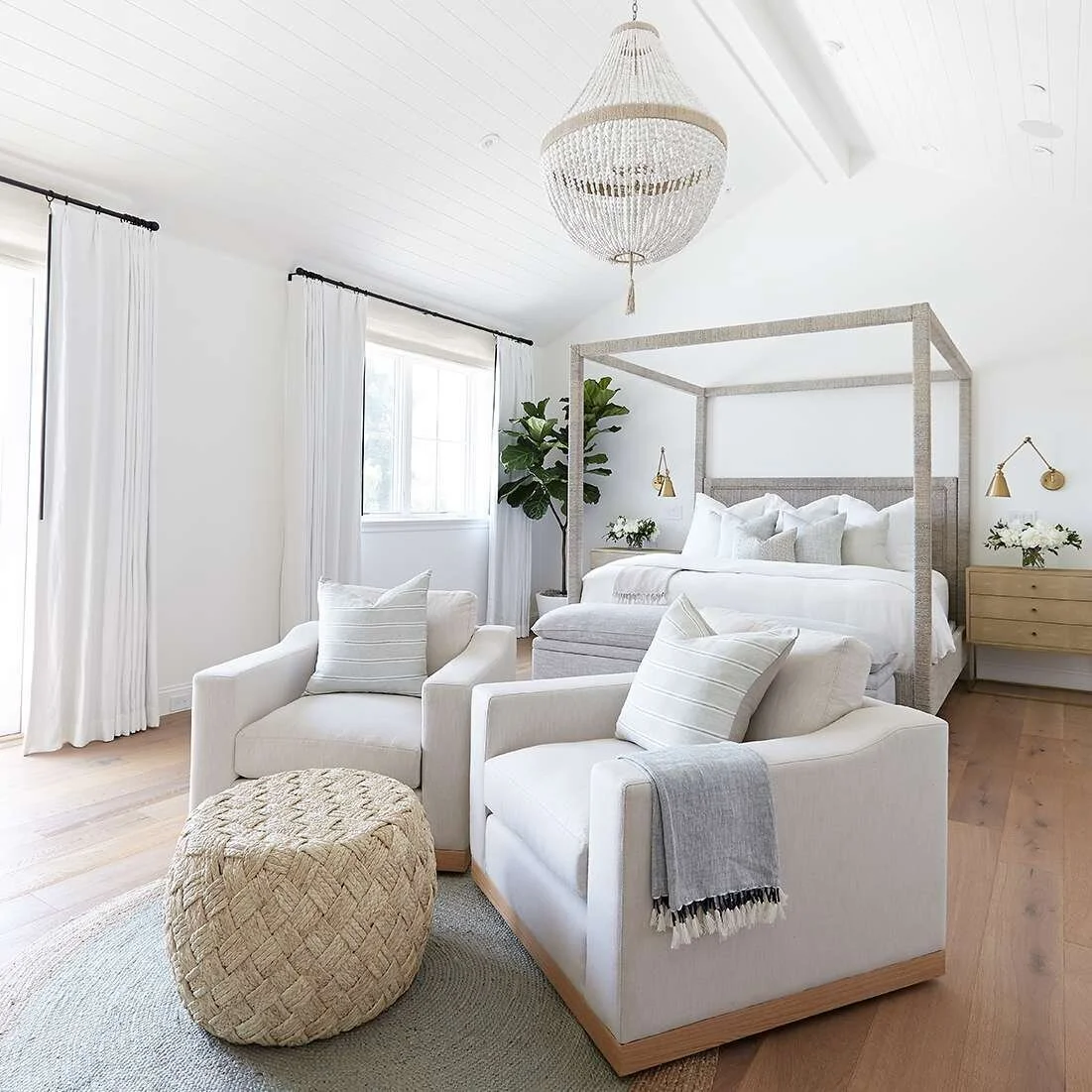
If you are decorating your bedroom, for example, and you like to read, consider adding a reading nook by simply choosing one corner in your bedroom with a comfy armchair and side table, or if you have a window, you can create a bench seat, add some throw pillows and blankets to really make it the perfect spot for snuggling up with a book.
via Mydomaine.com
7) Go shopping
Once you have done the groundwork — and only then — will it be time to begin laying your money down. Be sure to check the return policies on everything before buying. If you are not sure about something, snap a picture of it to look at in your space.
8) Focus on features
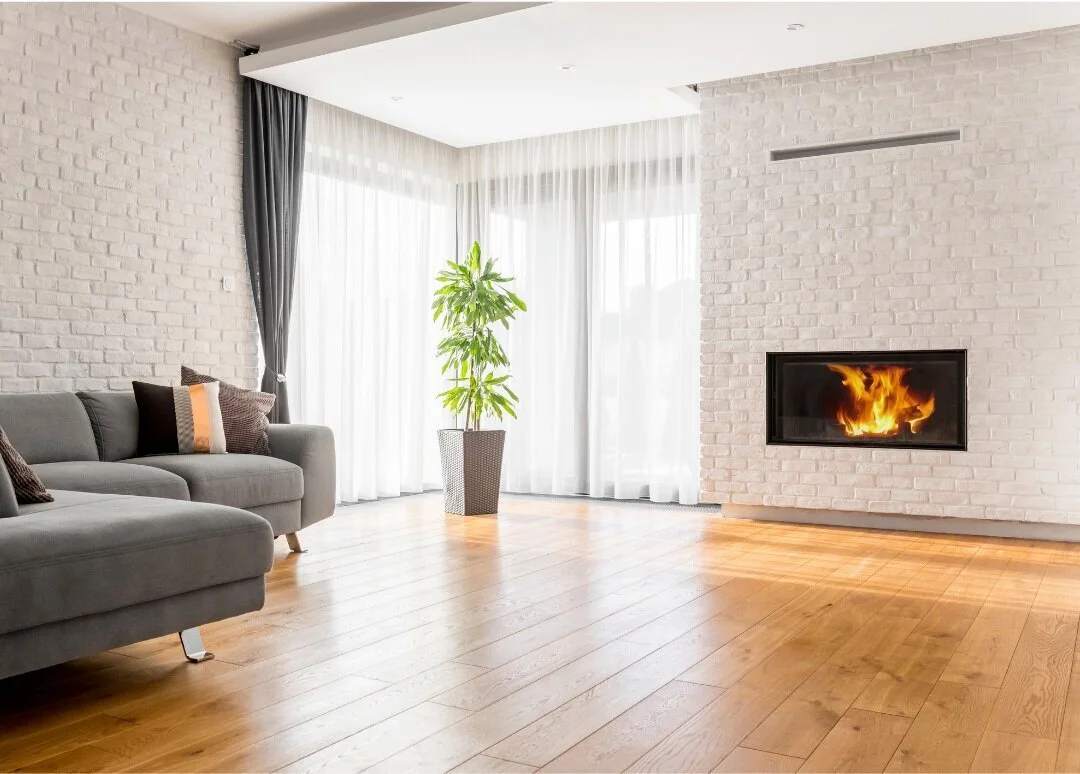
Instead of focusing on individual rooms, you may wish to focus on larger features that cross between different spaces in your home. For example, adding wooden flooring to your entire ground floor would have a huge impact on the aesthetic feel of your home.
9) Don't settle
By the time your new furnishings actually arrive, you may be so tired of working on your project that you are tempted to let less-than-perfect products stay rather than expend the energy needed to deal with them.
Don't do that. Mistakes happen, even to the pros, but a pro would never let a piece that just doesn't work stay in the space. Muster your strength and send the piece back — the sooner, the better.
10) Achieving balance
Reduced to its simplest terms, achieving balance with decorating emphasizes a visually pleasing arrangement of furnishings, all of which are a comfortable fit or scale for the room. Heights and sizes may vary for greater vitality, but the juxtaposition is carried out with purpose.
For example, to maintain the same visual weight, an armoire should be offset with a generous-size table or two portly chairs, an area rug, and a smaller table. An oversize porcelain bowl displayed on the mantelpiece has two framed watercolors as its neighbors. And keep in mind that no lamp should be bigger than the table upon which it sits.
Lacking the proper mix of scale and balance, a room feels disjointed or even crooked. Think of a living room where all the furniture is pushed to one side. How much better it would have been to have tugged the sofa away from the wall and anchored it with a table behind and two smaller tables at either end. The end tables don't have to match, but neither one should overpower the other.
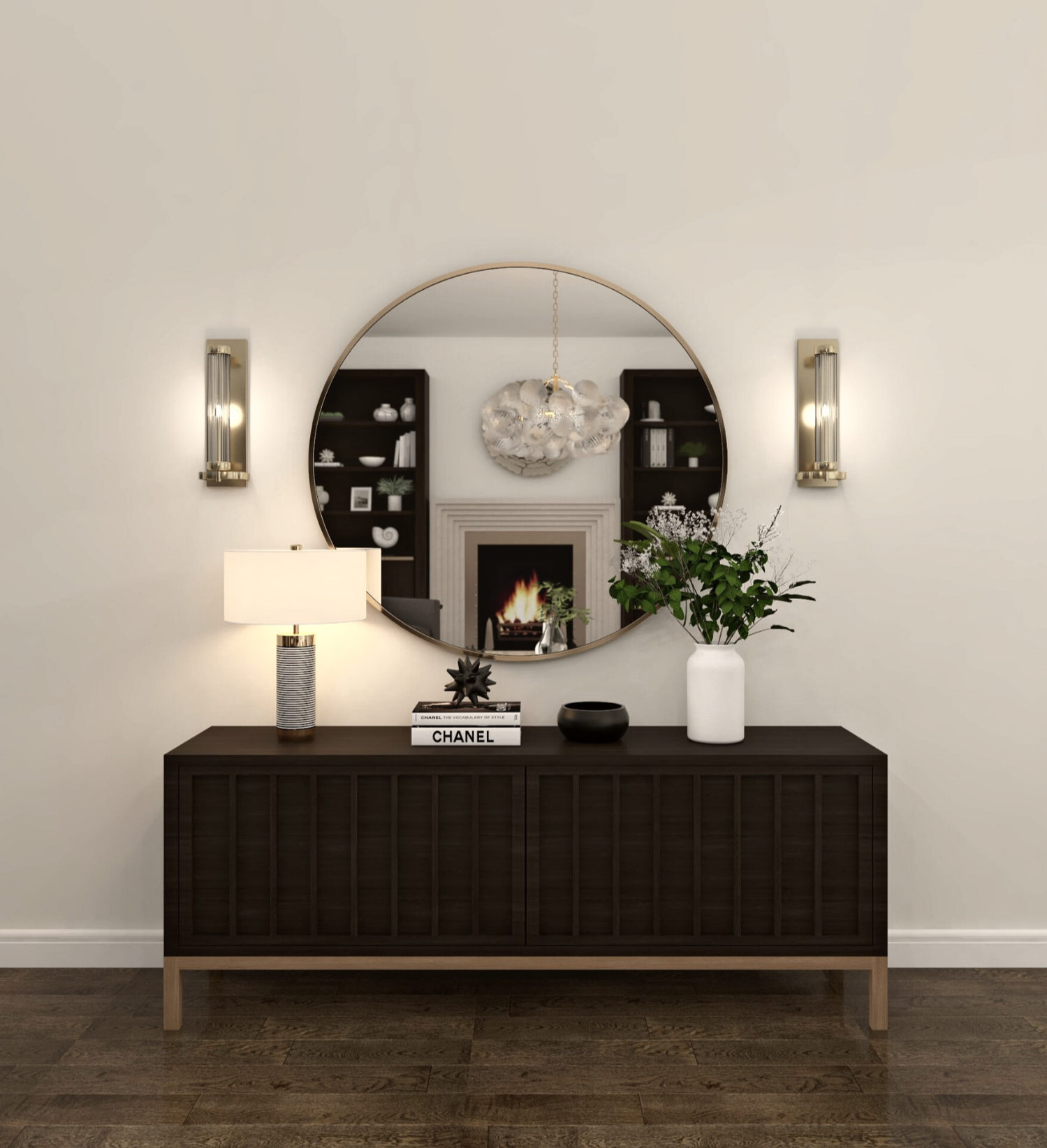
If you plan to buy new furniture, study the entire room first. Consider what you already own and what you need. Then visualize how the pieces will work with each other. Do as the professionals do: Include some matching elements to add symmetry and to enhance the sense of harmony. Think twin lamps, dual mirrors, two trays, or matching chairs on either side of a hearth for formality.
11) Get help
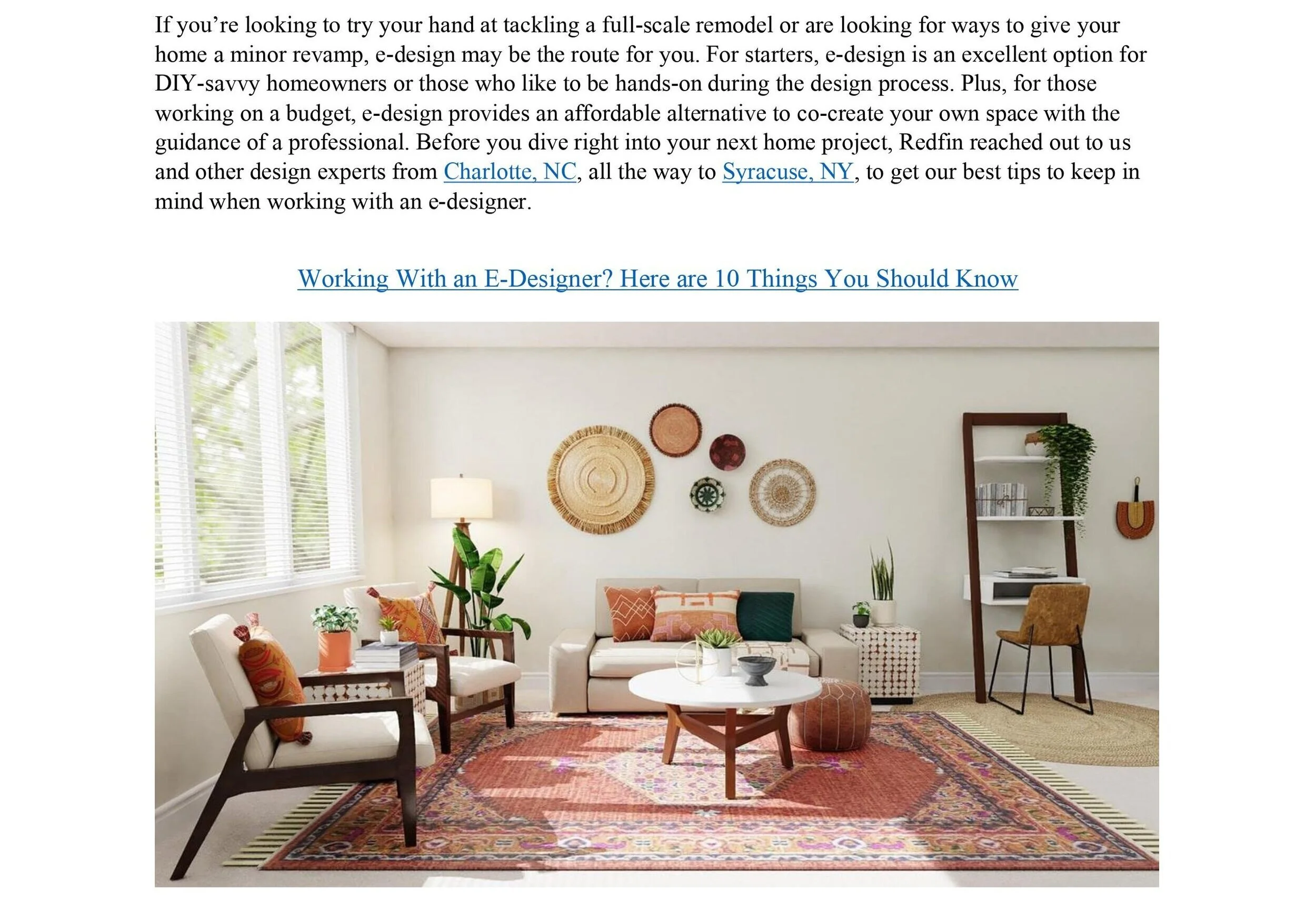
If you are still unsure about selecting your own furniture, paint color, and accessories, consider hiring an Interior designer. You can now work with the designer of your choice virtually. E-design gives you the opportunity to give your space the look of your dreams at an affordable price compared to traditional interior design. If you are thinking of working with an E-Designer, check out this article below we were recently featured in, and if you are ready to start your project check out our E-design services Here.
Working with an E-Designer? Here are 10 Things You Should Know - Redfin
In conclusion, when starting your next decoration project have your plan in place and take these tips into consideration. If you still have doubts about making the right choices, it may be wise to have a professional interior designer review your plans. Having such a review will help spot inconsistencies in design, missing expenses, and overall, necessary theme adjustments.
I hope you have enjoyed it!
Talk to you soon,
keysi